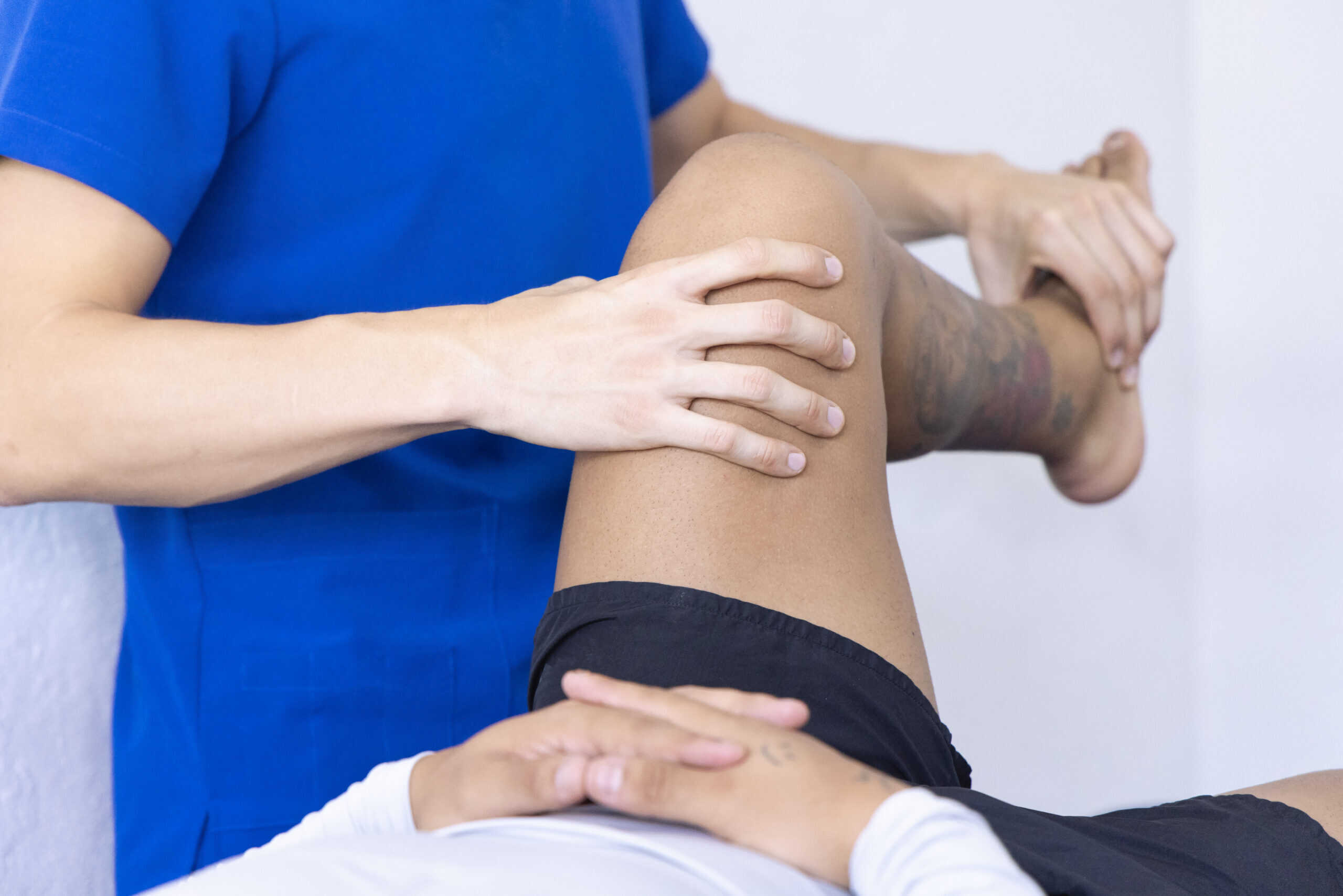
Knee Pain Treatment in Matawan, NJ: Get Back to Moving
Matawan is a small borough with a big commuter and athletic identity. Every weekday, hundreds of residents stream through the Aberdeen-Matawan train station — the busiest in Monmouth County — for the roughly 32-minute ride to New York City. On weekends and evenings, the community shows up for youth football, track, basketball, and soccer through the Aberdeen-Matawan Youth Athletic Association. And in between, residents paddle the calm waters of Lake Lefferts, run the Henry Hudson Trail, and hike Cheesequake State Park just to the north.
All of this adds up to a lot of knees working hard — and sometimes knees that need real attention. If yours is one of them, Trinity Rehab provides the personalized physical therapy care to identify exactly what’s wrong and get you back to the station platform, the trails, and the fields.
How Matawan Residents End Up With Knee Pain
Knee pain in Matawan follows the town’s particular rhythms. These are the most common patterns we see:
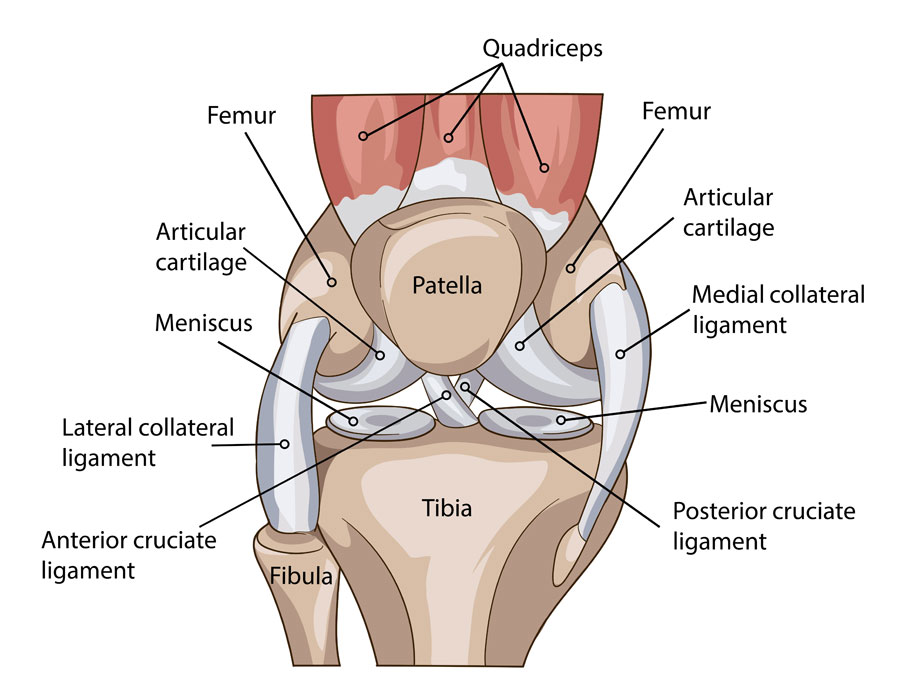
High school and youth sports injuries. Matawan Regional High School’s Huskies have a decorated football program with multiple state championships, and the school competes across basketball, track and field, softball, and baseball with consistently strong rosters. The Aberdeen-Matawan Youth Athletic Association runs youth football, soccer, basketball, and baseball leagues for younger athletes. Across all of these sports, the most common knee injuries are ACL and MCL sprains, meniscus tears from sudden twisting movements, and patellar tendonitis from repetitive jumping and sprinting.
Trail and outdoor activity. The Henry Hudson Trail offers flat rail-trail running and cycling accessible from the borough, and Cheesequake State Park provides wooded hiking just north of town. Consistent runners on these routes develop overuse injuries: runner’s knee (patellofemoral syndrome), IT band syndrome, and degenerative meniscus wear. Kayakers and paddleboarders on Lake Lefferts can sustain knee injuries from awkward entry and exit movements or on-water balance demands.
Commuter fatigue patterns. Long daily commutes — the drive to the station, the train ride, the walk to the office, and back again — keep Matawan residents sedentary for extended periods and then demand sudden activity. Repetitive sitting shortens the hip flexors and weakens the glutes, setting up the knee for strain when activity does resume.
Industrial and warehouse work. Logistics and warehousing facilities along Route 34 and in the broader Monmouth County area employ a portion of Matawan’s workforce. Repetitive kneeling, heavy lifting, and sustained standing on concrete surfaces create cumulative knee stress: bursitis, tendonitis, and meniscus irritation build slowly and become debilitating over time.
Adults managing osteoarthritis. Matawan’s population is skewing older — with a median age around 40 and a significant retiree population. Knee osteoarthritis is the most common diagnosis in this group, and while cartilage loss is irreversible, physical therapy consistently reduces pain and slows progression. A systematic review published in the European Journal of Medical Research found that exercise therapy and physical therapist-guided programs improve both pain and functional outcomes in knee osteoarthritis patients.
What Physical Therapy Actually Does for Your Knee
There is a common misconception that physical therapy is just exercises you could find online. It isn’t. At Trinity Rehab, your treatment begins with a comprehensive evaluation by a licensed physical therapist who identifies the specific structure causing your pain — and why. That “why” is the part most people never get, and it’s the difference between a plan that works and one that doesn’t.
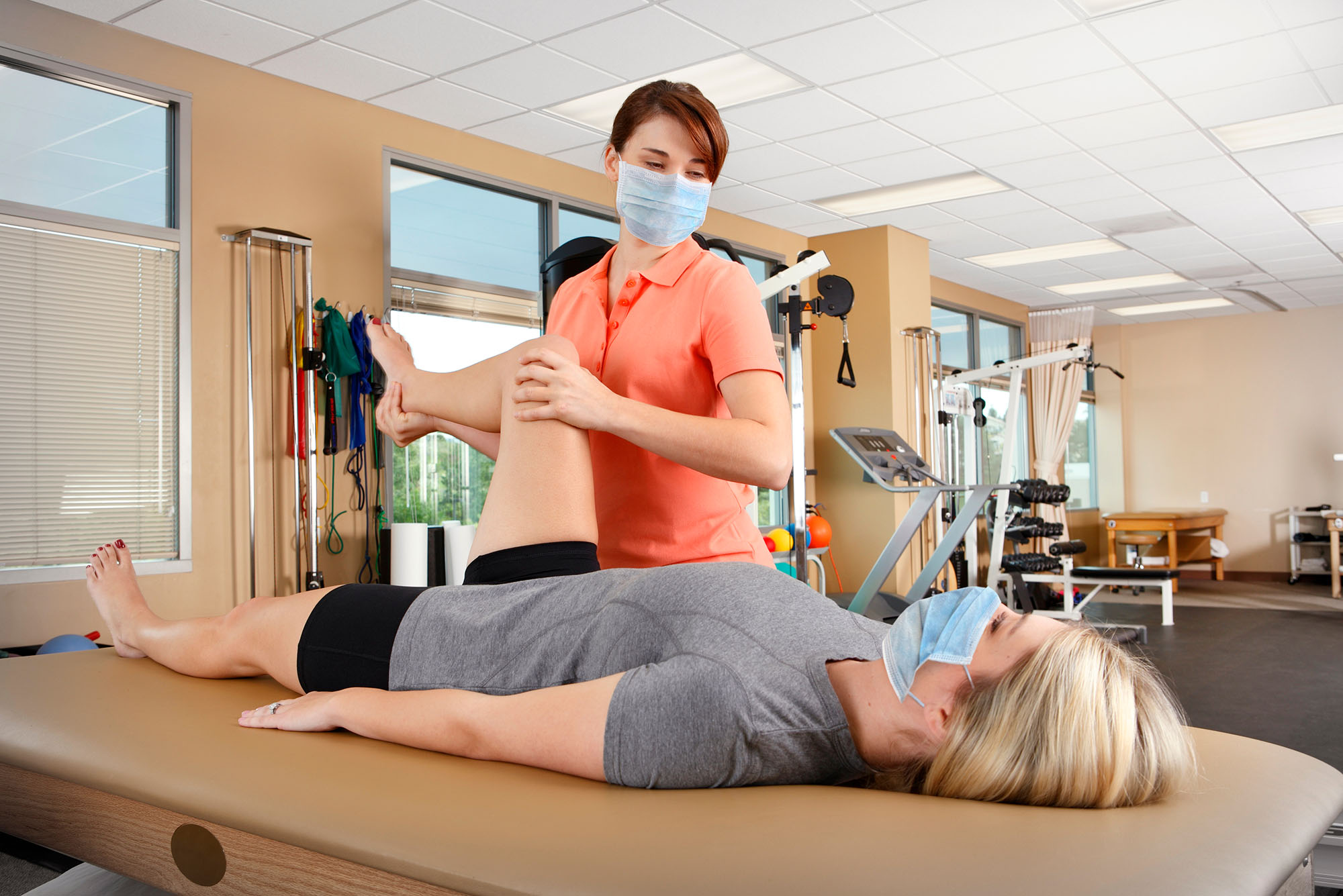
Manual therapy is the hands-on work your therapist performs directly on your knee and surrounding tissue. Joint mobilizations restore the glide and roll mechanics inside the joint. Soft tissue mobilization releases the adhesions and tightness in the quadriceps, IT band, and posterior chain that pull the knee out of alignment. Patellar mobilization improves how the kneecap tracks in its groove — a key intervention for Matawan’s runners dealing with patellofemoral syndrome.
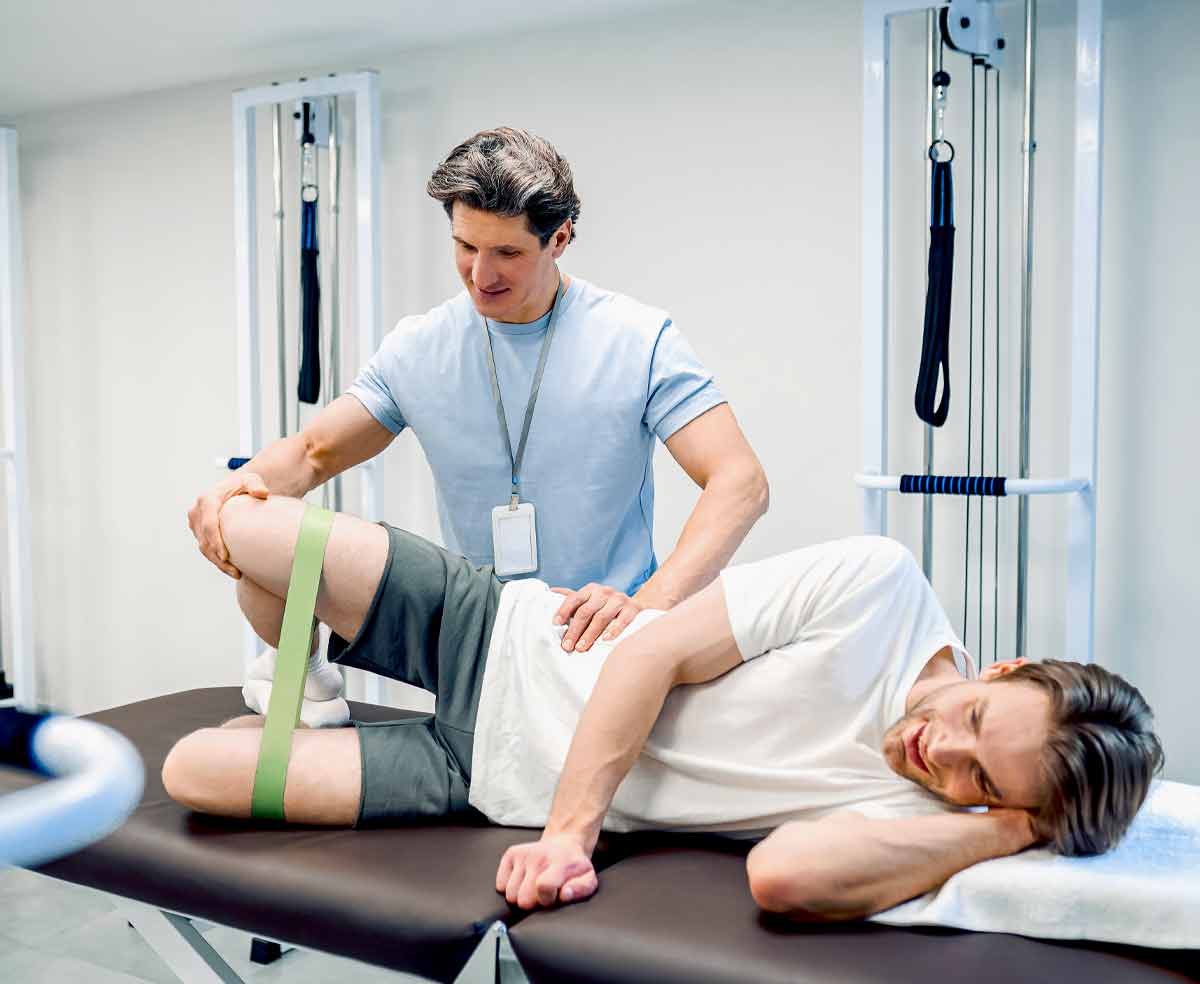
Targeted strengthening addresses the muscular root causes of most knee conditions. Weak quadriceps, hamstrings, glutes, and hip abductors leave the joint mechanically unprotected. Your therapist builds a progressive resistance program — with exercises that advance as your strength and tolerance improve — that restores the muscular support the knee needs for Huskies practice, trail running, and everything in between.
Neuromuscular retraining rebuilds the reflexive communication between your nervous system and the muscles that stabilize your knee. After injury or chronic pain, these protective reflexes slow down or misfire — leaving the knee vulnerable to reinjury. Balance training, proprioception drills, and movement retraining correct these deficits.
EPAT shockwave therapy delivers focused acoustic pulses to chronically painful or damaged tissue, stimulating blood flow and accelerating healing. It is particularly effective for patellar tendonitis — common in Matawan’s jumping athletes and distance runners — and for chronic soft tissue conditions resistant to other treatments.
Dry needling targets the trigger points in muscles that contribute to knee dysfunction. Tight quadriceps, hip flexors, and calves compress and misdirect force through the knee. Releasing these points provides rapid pain relief and markedly improves how the knee responds to strengthening exercises.
The AlterG Anti-Gravity Treadmill is invaluable for patients whose pain limits weight-bearing movement. It uses air pressure to offset body weight, letting patients walk and run with a fraction of the normal joint load. For Matawan residents recovering from knee replacement or returning to running after a significant injury, the AlterG bridges the gap between passive recovery and full return to activity.
Runner’s Knee and Patellar Tendonitis
Two of the most common conditions in Matawan’s active population deserve a closer look.
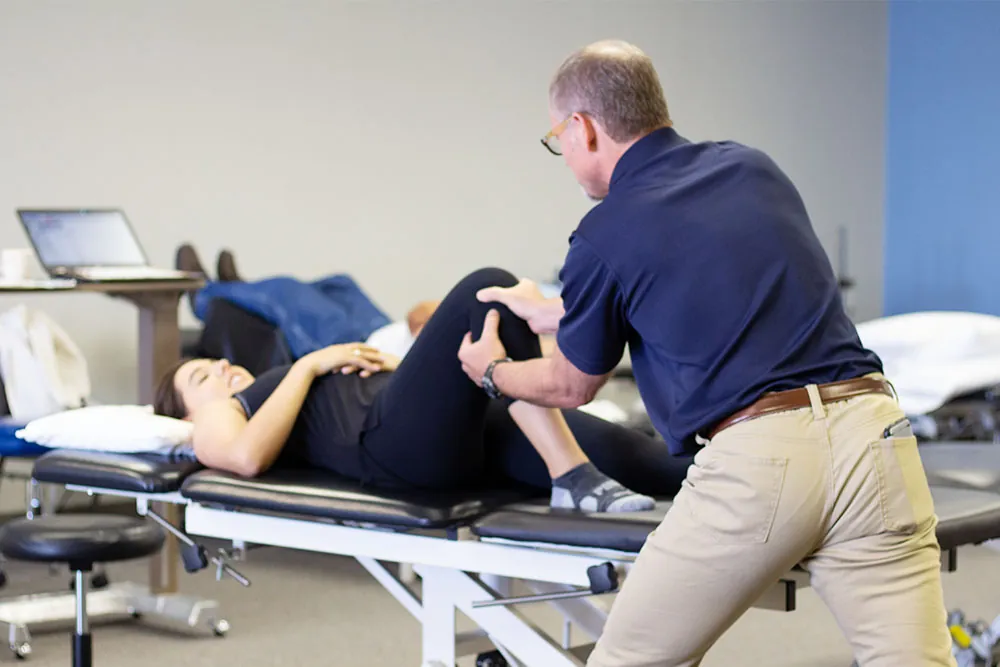
Patellofemoral syndrome (runner’s knee) produces pain at the front of the knee — around or behind the kneecap — during running, stair climbing, or prolonged sitting. It results from the patella not tracking correctly in its groove, typically due to hip weakness, quad imbalance, or foot mechanics issues. Treatment focuses on correcting these underlying mechanics rather than just resting; most patients improve substantially within 6–10 weeks with targeted physical therapy.
Patellar tendonitis (jumper’s knee) is inflammation of the tendon below the kneecap, common in Matawan Regional’s basketball and track athletes from repetitive jumping loads. EPAT shockwave therapy is particularly effective for patellar tendonitis that hasn’t responded to rest and basic treatment, and we combine it with progressive strengthening to resolve the condition durably.
Why Choose Trinity Rehab for Knee Pain in Matawan?
One-on-one care every session. You work with your licensed physical therapist directly — not an aide — for the full session. This isn’t just a service differentiator; it produces measurably better outcomes.
No referral required. New Jersey’s direct access law means you can start physical therapy today without waiting for a physician’s appointment. Call our team, and we’ll get you scheduled.
All major insurance accepted. We verify your benefits before your first visit so there are no billing surprises.
Close to the Aberdeen-Matawan corridor. Trinity Rehab is conveniently accessible from Matawan, Aberdeen, and the surrounding commuter communities along Route 34 and Route 79.
Advanced treatment tools. EPAT, dry needling, and the AlterG treadmill are integrated into care plans when clinically appropriate — technologies most practices simply don’t have.
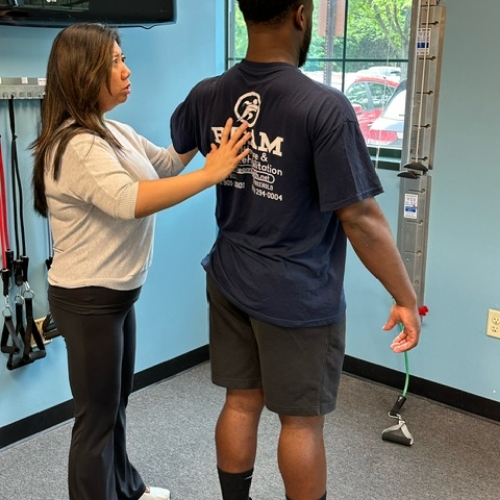
Inside Our Matawan Clinic


Related Conditions & Treatments
Knee pain is just one of the many conditions we treat at Trinity Rehab. Explore our full range of conditions we treat or learn more about specific treatment approaches:
Matawan Knee Rehab For Stairs, Walking, And Daily Confidence
Knee pain can make stairs, walking, exercise, work, and getting in and out of a car more difficult. Matawan rehab should identify whether strength, mobility, balance, swelling, or movement mechanics are driving the issue.
Your therapist may assess knee motion, quad and hip strength, walking mechanics, balance, and activity tolerance. The plan can progress from symptom control to stronger, more confident movement.
Related care includes ACL rehab, meniscus tear rehab, and the Matawan physical therapy clinic page.
Frequently Asked Questions About Knee Pain in Matawan
Matawan Knee Rehab For Stairs, Walking, And Daily Confidence
Knee pain can make stairs, walking, exercise, work, and getting in and out of a car more difficult. Matawan rehab should identify whether strength, mobility, balance, swelling, or movement mechanics are driving the issue.
Your therapist may assess knee motion, quad and hip strength, walking mechanics, balance, and activity tolerance. The plan can progress from symptom control to stronger, more confident movement.
Related care includes ACL rehab, meniscus tear rehab, and the Matawan physical therapy clinic page.
Can physical therapy help with a meniscus tear, or do I need surgery?
I'm a daily commuter and my knee hurts after the train ride. What's going on?
How soon can I be seen at Trinity Rehab?
Does physical therapy hurt?
What's the difference between Trinity Rehab and a standard PT clinic?
Start Your Recovery Today
Matawan is a small town, but the demands on its residents are anything but small. Whether your knee pain comes from Huskies athletics, the Henry Hudson Trail, the warehouse floor, or years of hard living, it responds to the right treatment. Trinity Rehab has the tools, the technology, and the one-on-one commitment to get you there.
No referral needed. Most insurance accepted. Located conveniently near the Aberdeen-Matawan corridor.
Related resources: Knee Pain Treatment Hub | Hip & Knee Pain Relief | Sciatica Treatment | EPAT Therapy | Sports Injuries
What Our Patients Say



Sign up for free health tips and tricks