
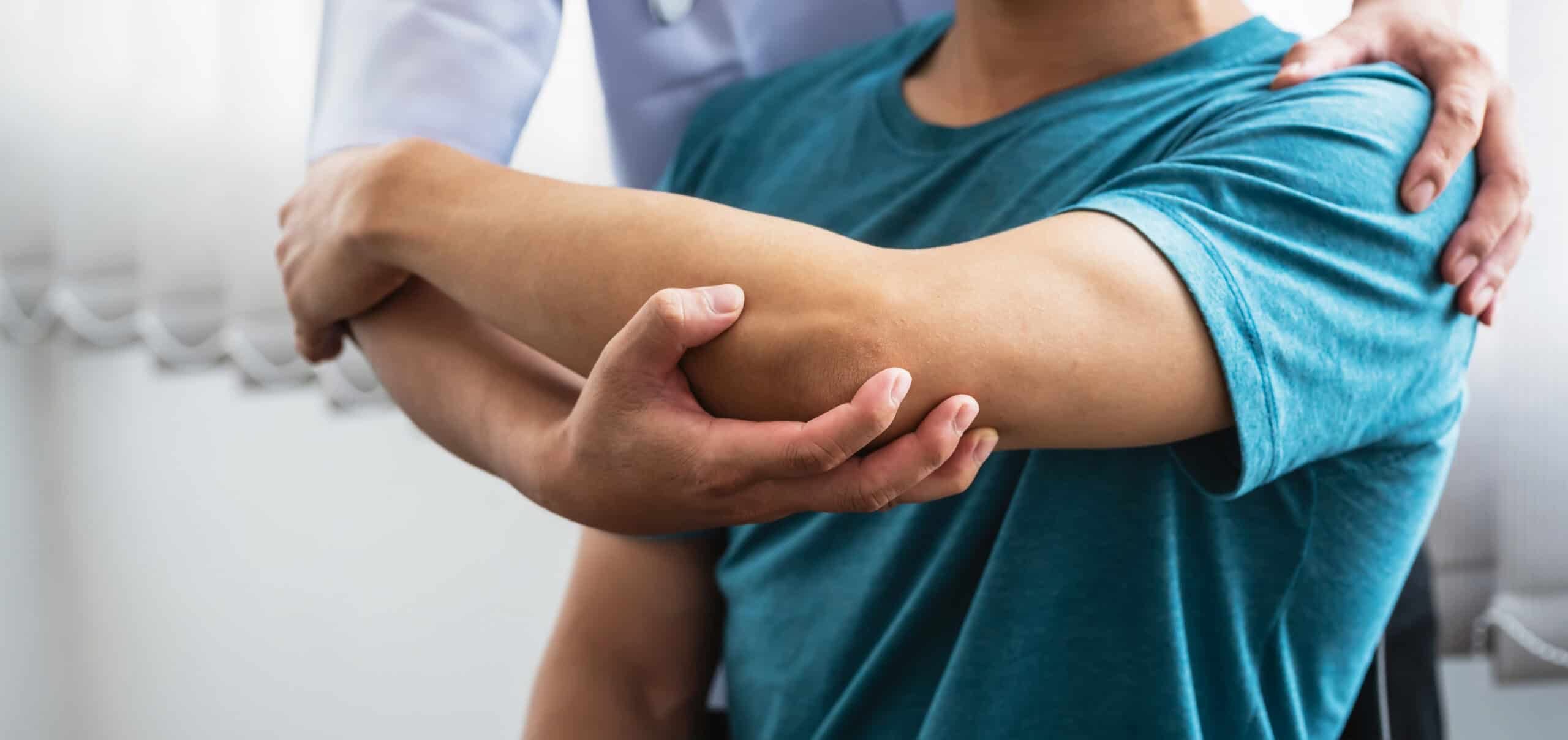
Golfer’s Elbow Treatment in Manalapan, NJ | Trinity Rehab
Manalapan: When Golfer’s Elbow Impacts Your Active Lifestyle
Manalapan’s affluent neighborhoods, prestigious country clubs, and commitment to active living create an environment where golf is more than a hobby—it’s a lifestyle. With memberships at Knob Hill Country Club and Battleground Country Club, Manalapan residents enjoy some of Monmouth County’s most challenging and beautiful courses. The community’s 40,000 residents take pride in athletic pursuits, from competitive golf tournaments to fitness-focused wellness programs. Yet even in this health-conscious, active community, golfer’s elbow strikes indiscriminately, affecting everyone from weekend duffers to serious competitors.
The pain starts innocuously—perhaps a slight twinge during your backswing at Knob Hill or a dull ache after working in the garden. Within weeks, that mild discomfort can escalate into a condition that affects your ability to grip your golf club, lift your briefcase, or enjoy the upper-middle-class lifestyle that defines Manalapan. Golfer’s elbow, medically termed medial epicondylitis, doesn’t care about your income level or country club membership. It’s an equal-opportunity injury that requires professional treatment to resolve completely.
Trinity Rehab’s Manalapan clinic specializes in getting active, accomplished Manalapan residents back to their golf games and athletic pursuits with evidence-based physical therapy that addresses the root causes of this injury.
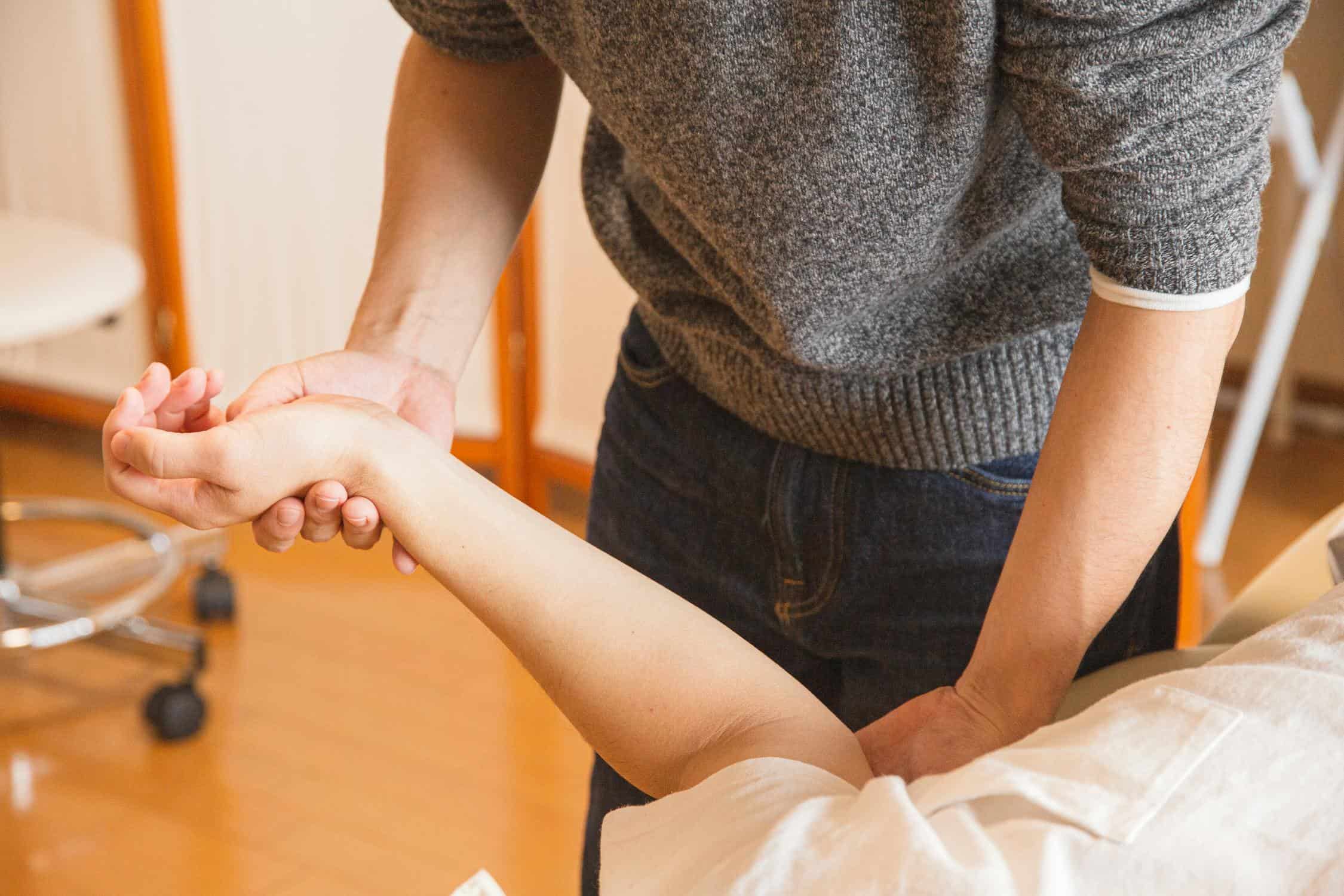
Why Golfer’s Elbow Treatment Matters
In Manalapan, where residents have worked hard to achieve success and maintain active lifestyles, golfer’s elbow represents an unwelcome interruption. The condition uniquely affects the demographic that values both professional accomplishment and recreational pursuits. A Manalapan executive can’t conduct business effectively with pain radiating through their forearm. A member of Battleground Country Club can’t compete in club tournaments. A grandparent can’t toss a baseball with their grandchildren without elbow pain.
What makes golfer’s elbow particularly insidious is its tendency to worsen without treatment. Early intervention—within the first 2-4 weeks of symptoms—dramatically changes outcomes. When untreated, the inflammation becomes chronic, the tendon fibrosis increases, and what started as a 6-week recovery can stretch into months or years. Some patients eventually require surgical intervention if they delay seeking professional treatment.
The Manalapan community’s commitment to wellness means you have access to excellent medical care. Choosing physical therapy over surgery preserves the elbow’s natural anatomy, eliminates surgical risks, and typically allows for faster return to activities. For successful Manalapan residents, conservative physical therapy treatment represents the intelligent, evidence-based approach to managing golfer’s elbow.
Common Causes of Golfer’s Elbow in Manalapan
While Manalapan might seem like a community where everyone golfs, the causes of golfer’s elbow are actually quite diverse:
- Competitive golf: Members of Knob Hill Country Club and Battleground Country Club who play frequently and compete in club tournaments
- Golf instruction and coaching: Professionals teaching golf at local academies or country clubs experience repetitive stress from demonstration swings
- Business and professional demands: Executive work involving computer time, gripping stress, and repetitive typing
- Property management and landscaping: Maintaining Manalapan’s expansive estates requires heavy gardening, digging, and outdoor work
- Construction trades: Home improvement professionals working on Manalapan properties
- Fitness activities: Strength training, CrossFit, and resistance exercises performed at local fitness centers
- Racquet sports: Tennis at country clubs and pickleball—increasingly popular among Manalapan’s active adult population
- Home projects: The DIY culture among affluent homeowners involves power tools, painting, and heavy lifting
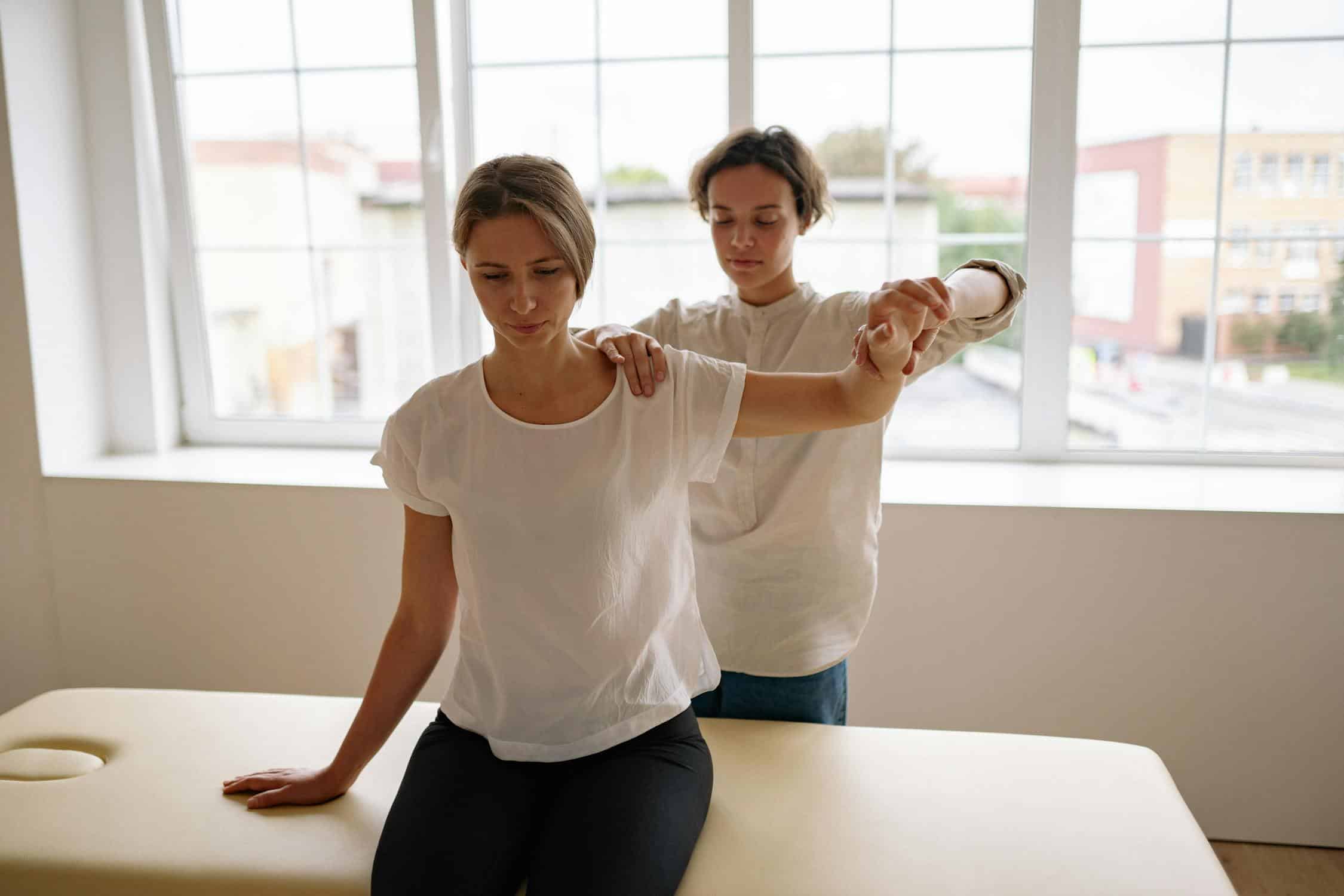
Symptoms Patients Often Notice
Golfer’s elbow typically announces itself through specific, progressive symptoms:
- Inner elbow pain and point tenderness on the medial epicondyle (the bony bump on the inside of your elbow)
- Radiating pain down the inside of the forearm toward the wrist
- Weakness in grip strength, particularly noticeable when holding a golf club or gripping tightly
- Pain that intensifies with gripping, lifting, or twisting movements
- Stiffness in the elbow, especially in the morning or after golf rounds
- Difficulty with fine motor activities like writing, playing a musical instrument, or detailed work
- In some cases, numbness or tingling in the ring and pinky fingers
Many Manalapan patients first notice symptoms during golf—a sharp pain during the downswing or through impact that forces them to stop playing. Others recognize it while handling everyday tasks: opening a jar, holding a coffee cup, or gripping the steering wheel during their commute. The key is that early recognition and treatment dramatically improves outcomes.
How Physical Therapy Restores Function at Trinity Rehab Manalapan
Trinity Rehab’s evidence-based approach to treating golfer’s elbow follows a systematic three-phase progression that safely rebuilds your elbow’s strength, resilience, and functional capacity.
Phase 1: Pain Reduction and Tissue Healing
The initial 1-2 weeks focus on calming acute inflammation and establishing pain-free movement patterns:
- Manual therapy: Skilled soft tissue mobilization releases muscle tension, improves circulation, and promotes healing
- Dry needling: Precise intramuscular needling addresses trigger points in forearm musculature, reducing pain and spasm
- Modalities: Therapeutic ultrasound, electrical stimulation, or cryotherapy as appropriate for your condition
- Activity modification: Specific guidance on which activities to avoid, how to adjust your golf swing, and ergonomic corrections
- Gentle mobility work: Passive and active-assisted range-of-motion exercises that maintain elbow mobility without stressing healing tissue
Phase 2: Progressive Strengthening
Weeks 2-6 involve systematic strengthening of the flexor-pronator musculature that supports the medial elbow:
- Eccentric strengthening: Slow, controlled lowering movements that specifically load the injured tendon in a healing-promoting way
- Progressive grip strengthening: Starting with light resistance and advancing systematically based on your pain response
- Wrist flexor exercises: Targeted exercises for the specific muscles injured in golfer’s elbow
- Rotational forearm work: Pronation and supination exercises that restore rotational strength
- Shoulder and core stability: Addressing upstream biomechanical issues that contributed to elbow stress
- Sport-specific strengthening: For golfers, exercises that replicate golf-specific movement patterns
Phase 3: Return to Full Activity
Weeks 6-12 focus on returning you to full golf participation and all desired activities:
- EPAT (Extracorporeal Pulse Activation Therapy): Advanced shockwave therapy that accelerates tendon healing and remodeling for stubborn cases
- Golf-specific training: Swing mechanics analysis, club selection adjustments, and graduated return to golf protocol
- Power development: Progressive advancement to higher-intensity activities and higher-speed movements
- Proprioceptive training: Enhanced body awareness and control during complex, sport-specific movements
- Maintenance programming: A home exercise program that prevents recurrence and maintains long-term elbow health
Preventing Golfer’s Elbow from Returning
Prevention is essential for Manalapan residents who want to maintain their golf games and active lifestyles:
- Proper golf warm-up: Always warm up before golf, with at least 10-15 minutes of gentle stretching and easy swings
- Professional swing analysis: Work with a PGA professional to identify and correct swing mechanics that stress the medial elbow
- Gradual return to competition: After recovery, gradually increase tournament play and intensity rather than jumping back to previous levels
- Ongoing strengthening: Continue eccentric and grip-strengthening exercises indefinitely, even after full recovery
- Equipment consideration: Ensure your golf clubs are properly fitted; inappropriate shaft flex or club length increases elbow stress
- Fitness maintenance: Regular strength and flexibility work, especially for the forearm and shoulder
- Recovery protocols: Adequate rest between golf rounds and other repetitive activities
- Early warning system: If you feel any elbow discomfort returning, immediately modify activities and schedule a check-up
Why Manalapan Patients Choose Trinity Rehab
Trinity Rehab’s Manalapan location understands the lifestyle and demands of our community. We’re staffed by physical therapists who work with competitive golfers, business professionals, and active adults throughout Monmouth County. We recognize that you didn’t work hard to build a successful life just to have it limited by elbow pain.
Our approach combines cutting-edge evidence-based protocols with practical solutions tailored to your specific activities. We offer EPAT shockwave therapy, which is particularly valuable for golfers who want to accelerate healing and return to competition quickly. We also understand the demands of business and professional life—our treatment scheduling accommodates busy executives, and our programming is designed for efficiency without compromising results.
Most importantly, Trinity Rehab Manalapan partners with you for long-term success. We don’t just treat your acute elbow pain; we equip you with the knowledge, exercises, and strategies to keep your elbow healthy for decades of golf, work, and active living.

Related Conditions & Treatments
Golfer’s elbow often accompanies or overlaps with other conditions. Trinity Rehab treats a wide range of musculoskeletal conditions:
Related Elbow Care At This Location
Elbow pain patterns can overlap depending on grip, lifting, racquet sports, work tasks, and tendon load. A related same-location page is:
Frequently Asked Questions
How soon can I return to golf after being diagnosed with golfer's elbow?
Do I need to take time completely off from golf?
Is surgery necessary if conservative treatment doesn't work immediately?
Can EPAT shockwave therapy help my golfer's elbow?
Will I have ongoing elbow problems, or can I expect complete resolution?
Your Next Steps
Don’t let golfer’s elbow prevent you from enjoying Manalapan’s excellent golf community and your active lifestyle. Trinity Rehab’s specialized approach to treating medial epicondylitis gets you back to Knob Hill Country Club, Battleground Country Club, and all your desired activities.
Schedule your comprehensive evaluation at Trinity Rehab Manalapan today. Visit /physical-therapy-appointment/ to book your first appointment with one of our physical therapy specialists. We’ll assess your specific situation, explain what’s causing your symptoms, and outline your personalized path back to full golf participation.
Your golf game deserves better than to be limited by elbow pain. Let Trinity Rehab help you heal properly and return to competitive golf and active living.
Visit Trinity Rehab in Manalapan
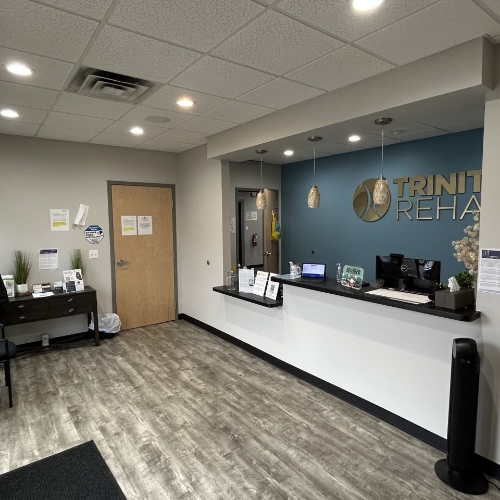
Our Manalapan clinic is conveniently located at 335 US-9, Manalapan Township, NJ 07726. Call us at (732) 414-2727 to schedule your golfer’s elbow evaluation today.