

SCIATICA TREATMENT IN CLIFTON, NJ: RELIEF FOR A CITY THAT NEVER SLOWS DOWN
Clifton is one of the most densely active cities in Passaic County. With 30-plus parks, a passionate high school athletic culture at Clifton High School (home of the Mustangs), recreational leagues ranging from adult volleyball and pickleball to soccer through North Eastern Sports, and easy access to everything the region has to offer — life in Clifton keeps you moving. It also keeps you commuting: with roughly 90,000 residents and an average commute of nearly 30 minutes into the New York metropolitan area, many Clifton residents spend a substantial portion of their day sitting in a car, on a bus, or hunched over a workstation.
That combination — physical activity and prolonged sitting — is a recipe for the kind of cumulative spinal stress that eventually triggers sciatica. If you have been feeling a burning or electric pain radiating from your lower back through your buttock and into your leg, this article is for you. Trinity Rehab treats sciatica in Clifton with personalized, one-on-one physical therapy that addresses the actual cause of your nerve compression — not just the symptoms.
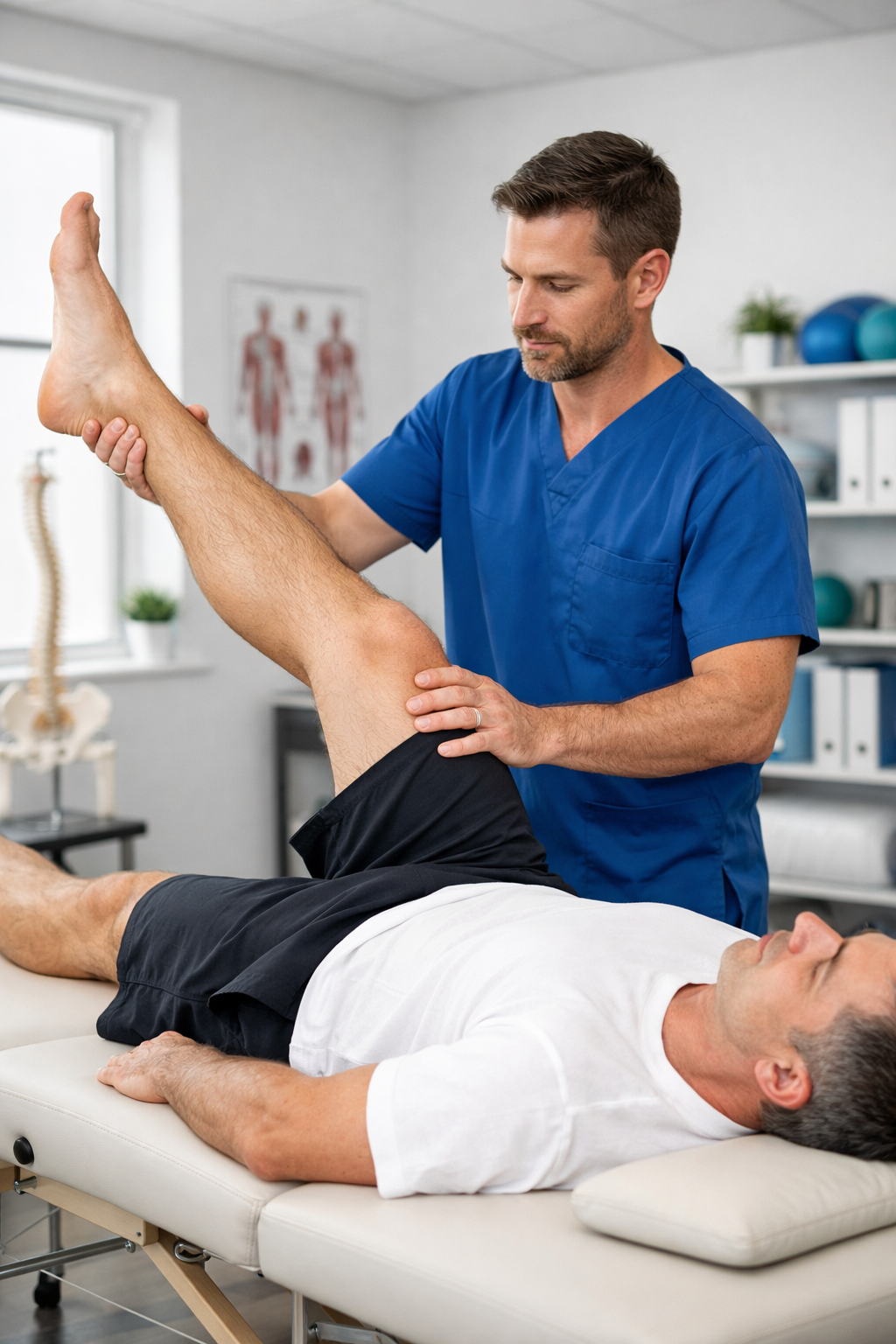
Understanding Your Sciatic Nerve Pain
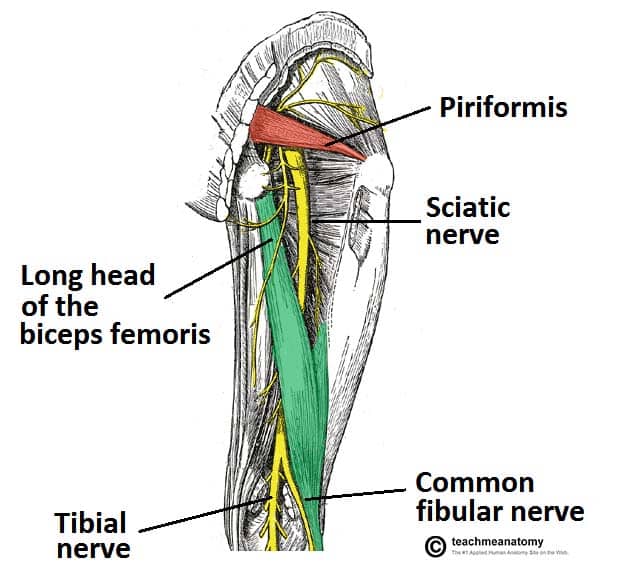
Sciatica is not a diagnosis in itself — it is a symptom that tells you something is irritating or compressing the nerve roots in your lower back that form the sciatic nerve. The medical term is lumbar radiculopathy, and understanding it helps explain why treatment must address the source, not just the sensation.
Several underlying conditions can create the compression that triggers sciatica:
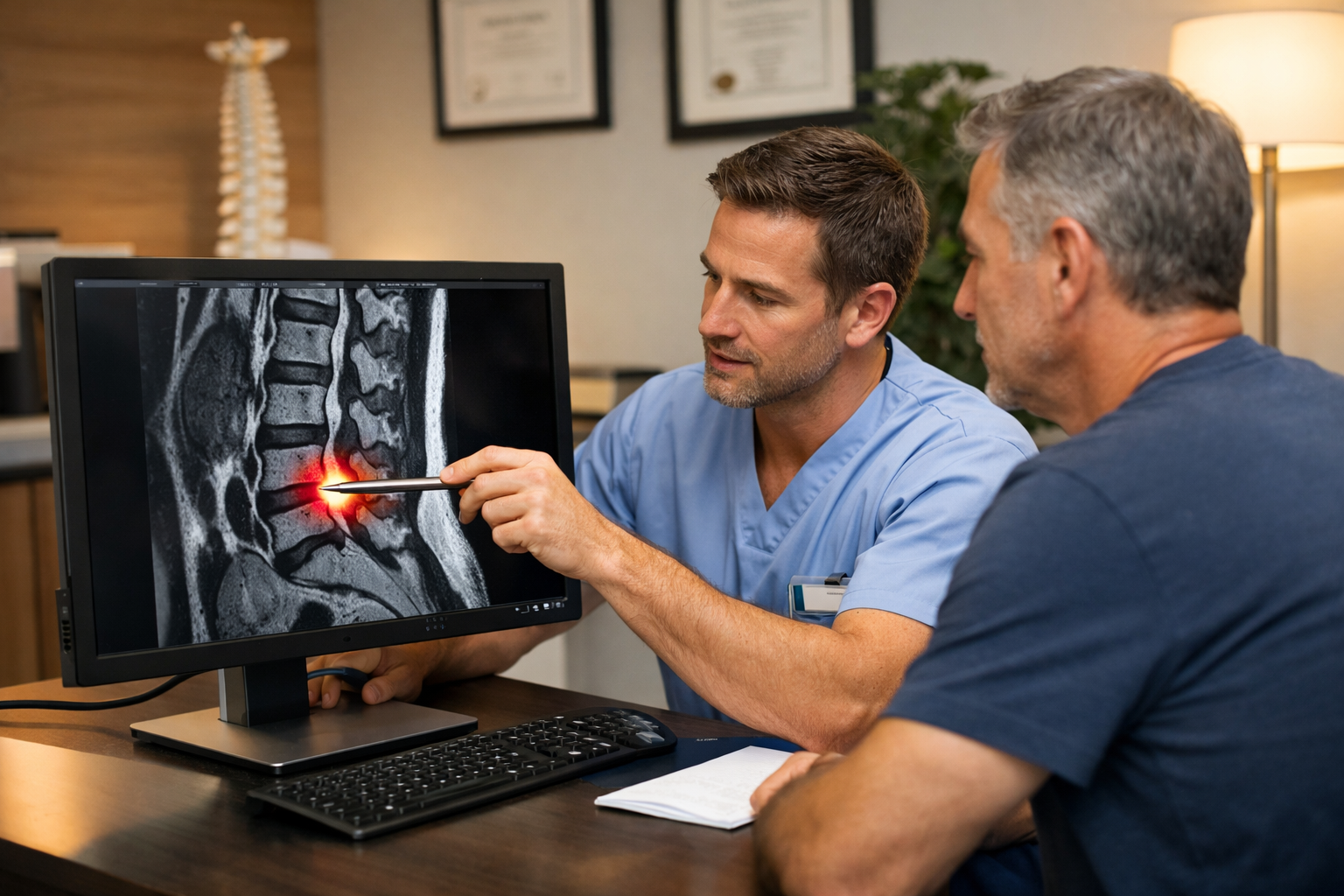
- Herniated or bulging lumbar disc — by far the most common cause, accounting for approximately 90% of cases. The disc’s soft center pushes outward and contacts the adjacent nerve root.
- Lumbar spinal stenosis — age-related narrowing of the spinal canal that squeezes nerve roots, especially common in adults over 60. With approximately 20% of Clifton’s population over the age of 65, this is a significant local consideration.
- Piriformis syndrome — the piriformis muscle, deep in the buttock, tightens or spasms and compresses the sciatic nerve where it passes beneath (or through) it.
- Degenerative disc disease — gradual disc thinning with age reduces the space available for nerve roots to exit the spine.
- Spondylolisthesis — vertebral slippage that creates instability and nerve root irritation, sometimes associated with athletic stress fractures.
The encouraging reality is that nearly 40% of all adults experience sciatica during their lifetime, and the large majority recover fully with appropriate conservative care. Trinity Rehab’s evidence-based physical therapy approach is designed to deliver that recovery — and to build the strength and resilience that prevents recurrence.
Explore related back pain treatment at Trinity Rehab.
Common Sciatica Triggers for Clifton Residents
Clifton’s industrial character, dense commuter population, and active sports culture create a specific risk profile. Our therapists hear these stories regularly from patients across the city:
Industrial and warehouse work along Route 3 and Route 46. Clifton’s commercial corridors are home to significant manufacturing, logistics, and distribution operations. Workers at these facilities engage in the repetitive material handling, prolonged standing on hard surfaces, and awkward postures that are among the most reliable occupational pathways to lumbar disc herniation. Spending years in these environments takes a cumulative toll that can finally manifest as acute sciatica from a relatively minor trigger.
Healthcare workers. St. Mary’s General Hospital and Hackensack Meridian Health facilities in the area employ many Clifton residents. Nursing, patient transport, and allied health roles involve frequent patient handling, twisting motions, and extended time on foot — all activities that load the lumbar spine asymmetrically over a career.
NYC metro commuters. Clifton sits close enough to Manhattan that a meaningful portion of residents make the daily commute into the city. Whether that is via bus on Route 3, NJ Transit, or car through I-80 or the GSP, 30 minutes of sustained seated posture each way — repeated five days a week — gradually conditions the lumbar discs toward compromise.
Clifton High School Mustangs and adult athletes. Clifton High School fields more than 23 varsity sports, and a significant portion of adult residents remain active in rec leagues and fitness programs well beyond their school years. Wrestling, football, soccer, and lacrosse all involve contact, rotational forces, and sudden loading events that can herniate a disc. Clifton’s adult pickleball, volleyball, and recreational soccer leagues carry similar cumulative loading risks for the lumbar spine.
Seasonal shoveling and yard work. Clifton’s winters require regular snow removal, and the city itself posts guidelines reminding residents about safe shoveling techniques — a reflection of how common the injuries are. Cold, tight muscles combined with the ballistic, asymmetric forces of shoveling heavy snow represent acute injury risk every winter. Spring and fall gardening — digging, planting, and bending in sustained flexion — add to the seasonal load.
Symptoms to Watch For
Sciatica’s defining characteristic is that the pain does not stay put. It travels. Clifton patients typically describe:
- Shooting, burning, or deep aching pain originating in the lower back or deep buttock and radiating down the back or outer side of one leg
- Tingling or numbness in the thigh, calf, or foot — often described as “pins and needles” along a distinct band
- Weakness in the affected leg — difficulty fully extending the knee, catching the foot when walking, or noticing one leg fatigues more quickly
- Pain that is worst after sitting — particularly notable after a long commute or an extended shift
- A predictable worsening pattern: symptoms flare with coughing, sneezing, or bearing down (all of which momentarily spike pressure in the spinal canal)
- Stiffness and soreness in the lower back that accompanies but is distinct from the leg pain
Severe, rapidly progressing leg weakness or loss of bladder or bowel function are rare but serious signs that require immediate medical evaluation. For typical sciatica presentations, physical therapy is both appropriate and effective as the first line of care.
Phase-Based Sciatica Treatment at Trinity Rehab Clifton
Trinity Rehab’s Clifton physical therapists organize your recovery into three purposeful phases, each building on the last. This structure ensures that treatment remains appropriate for where you are in your recovery, rather than rushing into exercises that could aggravate an inflamed nerve.
Phase 1: Nerve Calming and Pain Reduction
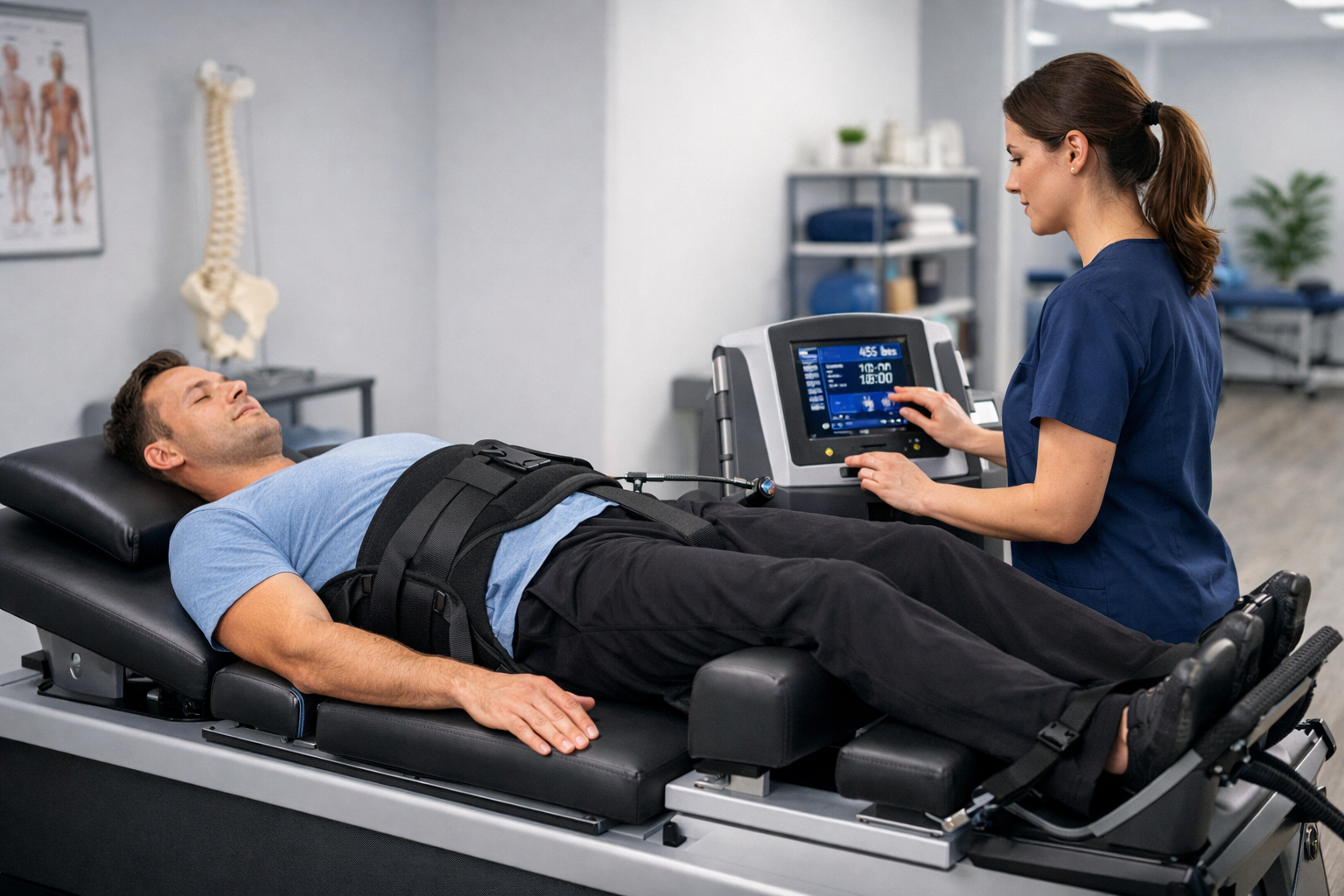
During the acute phase, your priority is reducing inflammation and calming the irritated nerve so you can begin to move more comfortably. Your physical therapist will use:
- Manual therapy — targeted joint mobilization of the lumbar spine and pelvis to reduce stiffness, improve segmental movement, and relieve direct mechanical pressure on the affected nerve roots. Soft tissue techniques release tension in the piriformis, gluteal muscles, and paraspinal tissues.
- Neural mobilization (nerve gliding) — gentle, progressive movements that train the sciatic nerve to glide smoothly through surrounding tissues rather than catching and pulling with each movement of the leg. Most patients experience meaningful reduction in radiating symptoms with consistent neural mobilization.
- Targeted stretching — carefully selected stretches for the piriformis, hip flexors, and lumbar rotators that address muscular compression without aggravating the nerve.
- Therapeutic modalities — heat, cold, or electrical stimulation as needed to manage acute pain and allow you to engage more effectively in active treatment.
For patients with chronic sciatica or persistent muscle guarding, dry needling may be incorporated in this phase to release deep trigger points that limit progress with conventional techniques.
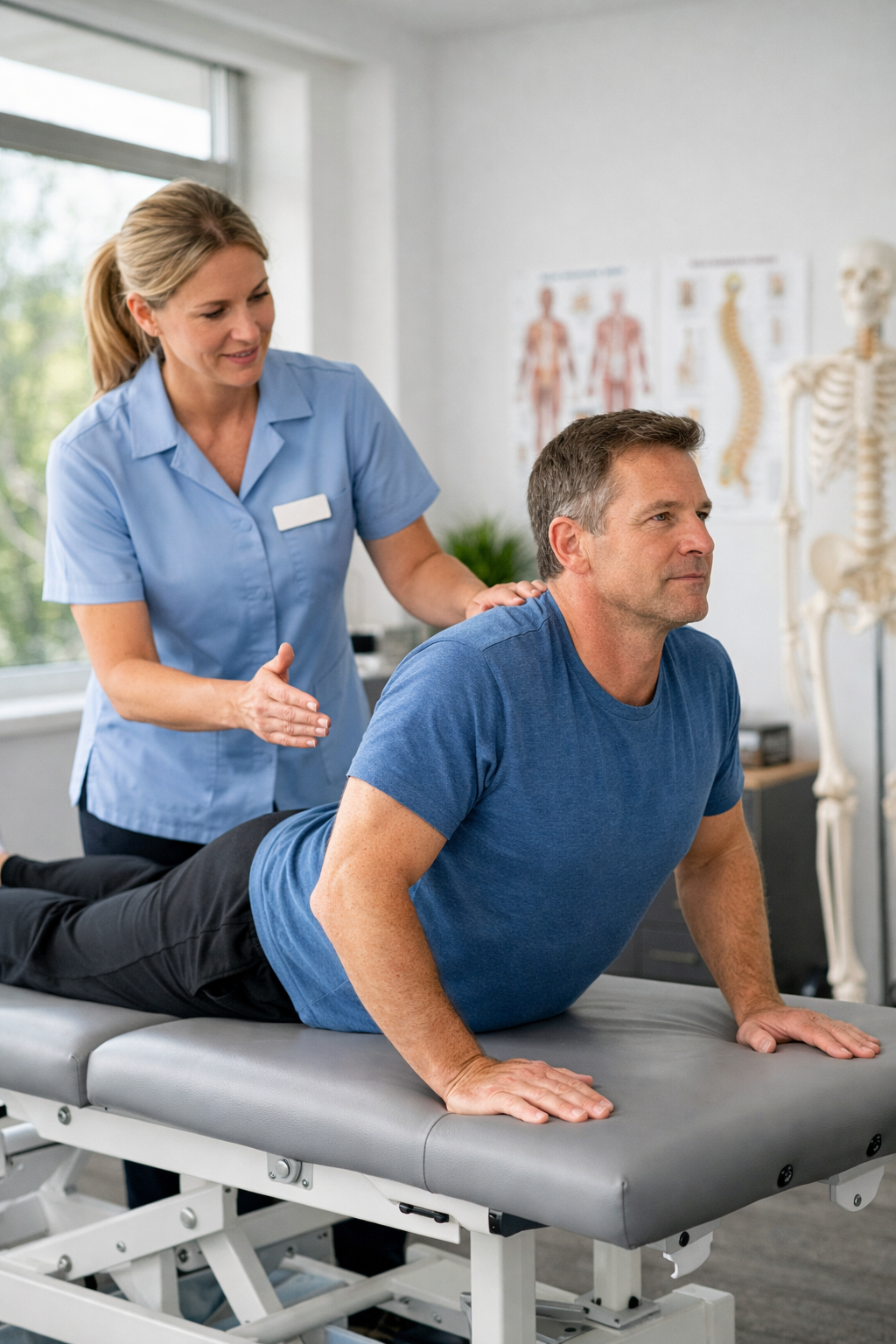
Phase 2: Stabilization and Neuromuscular Strength
Once acute symptoms have settled, your therapist transitions to building the muscular support system that will protect your lumbar spine from re-injury. This phase is where lasting recovery happens. Key elements include:
- Deep core activation and stabilization — targeted training of the transversus abdominis and multifidus, the muscles that form the body’s natural spinal brace. Many patients are surprised to discover how poorly coordinated these muscles have become.
- Glute and hip strengthening — a consistent finding in sciatica patients is weak glutes and hip abductors that force excessive compensatory loading onto the lumbar spine. Progressive glute strengthening through bridges, clamshells, and single-leg exercises reduces this compressive pattern significantly.
- McKenzie method exercises — directional movement exercises with strong research support for disc-related sciatica that help centralize radiating pain and restore full lumbar range of motion.
- Posture and body mechanics education — you will learn specifically how to sit at your workstation, how to position yourself in a car, and how to lift and move in ways that protect your lumbar spine. For Clifton commuters, this is not supplementary — it is essential.
Phase 3: Return to Full Activity
The final phase prepares your body for the specific demands of Clifton life. Whether your goal is returning to a Clifton rec league, going back to full-duty industrial work, or simply getting through a full day without pain, this phase delivers:
- Functional movement training that mirrors your specific demands — loading patterns for warehouse workers, rotational conditioning for athletes, and endurance training for healthcare professionals who are on their feet all day
- Sport-specific preparation for athletes returning to Clifton High School or adult league competition
- A home exercise program — a practical, sustainable set of exercises you will continue independently to maintain lumbar health and reduce the risk of future sciatica episodes
Why Choose Trinity Rehab in Clifton
Clifton residents have options for physical therapy, and our commitment is to earn your trust with every visit. Here is what you can expect at Trinity Rehab:
- One physical therapist. One patient. Every session. No aides, no unsupervised time, no compromise on your care.
- No referral required. New Jersey’s Direct Access Law lets you start physical therapy today, without waiting on a physician’s referral.
- Insurance accepted. Trinity Rehab works with most major insurance plans used by Clifton residents, including those affiliated with St. Mary’s General Hospital and Hackensack Meridian Health.
- Convenient scheduling. Early and evening appointment times support Clifton’s commuter-heavy population.
- Experienced, licensed physical therapists who understand the biomechanical demands of industrial work, athletic training, and the physical toll of NJ commuter life.
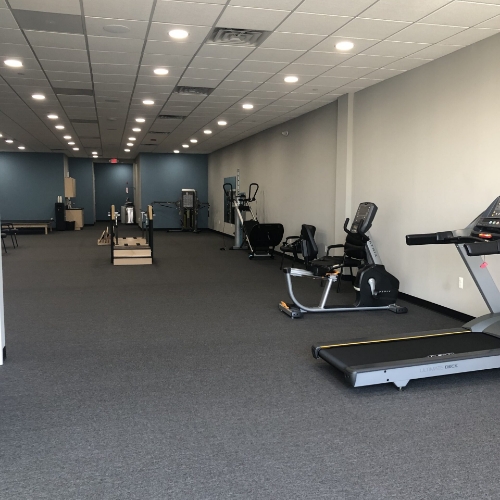
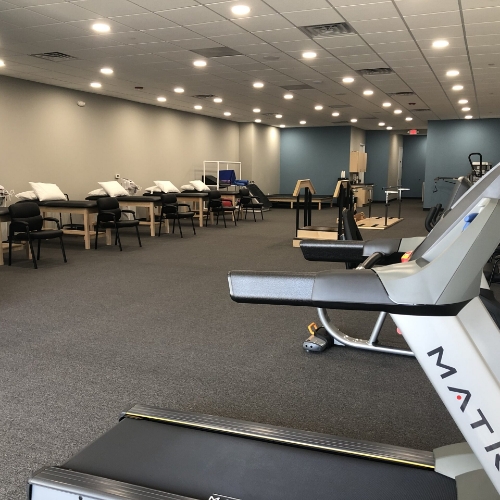
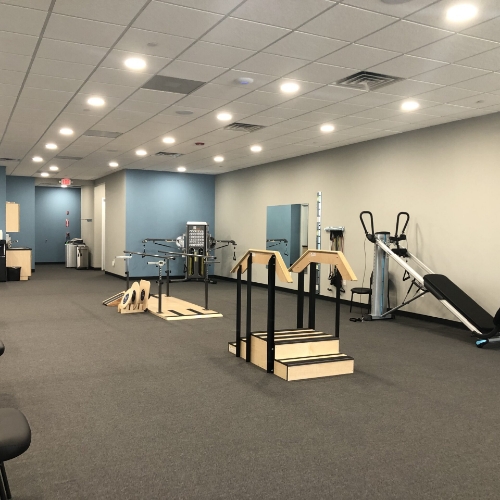
Inside Our Clifton Clinic
Related Conditions & Treatments
Sciatica is just one of the many conditions we treat at Trinity Rehab Clifton. Explore our full range of conditions we treat or learn more about specific treatment approaches:
- Sciatica Treatment Overview
- Back Pain Treatment
- Hip & Knee Pain Relief
- Manual Therapy
- Dry Needling
- EPAT / Shockwave Therapy
Clifton Sciatica Rehab For Leg Pain, Sitting Pain, And Walking Tolerance
Sciatica-like symptoms can make sitting, driving, bending, sleeping, and walking difficult. Clifton patients need a plan that separates nerve-related leg pain from back, hip, or muscle-driven symptoms.
Your therapist may assess symptom behavior, lumbar mobility, nerve tension, hip strength, walking tolerance, and positions that calm or worsen symptoms. Progressive weakness, numbness, or bowel/bladder changes should be medically reviewed urgently.
Related spine options include back pain physical therapy, lumbar disc herniation rehab, and the Clifton physical therapy clinic page.
Frequently Asked Questions
Clifton Sciatica Rehab For Leg Pain, Sitting Pain, And Walking Tolerance
Sciatica-like symptoms can make sitting, driving, bending, sleeping, and walking difficult. Clifton patients need a plan that separates nerve-related leg pain from back, hip, or muscle-driven symptoms.
Your therapist may assess symptom behavior, lumbar mobility, nerve tension, hip strength, walking tolerance, and positions that calm or worsen symptoms. Progressive weakness, numbness, or bowel/bladder changes should be medically reviewed urgently.
Related spine options include back pain physical therapy, lumbar disc herniation rehab, and the Clifton physical therapy clinic page.
Where can I receive sciatica treatment in Clifton, NJ?
Does Trinity Rehab Clifton accept my insurance?
How is sciatica treatment different from general physical therapy?
Can my sciatica come back after treatment?
I have been managing the pain with medication. Is PT still necessary?
Sciatica does not have to interrupt your work, your commute, or your time at Main Memorial Park or on the Clifton pickleball courts. Most people recover fully — and get stronger — with the right physical therapy approach.
Request your appointment at Trinity Rehab in Clifton — no referral required. Your licensed physical therapist will evaluate your specific presentation, identify the cause of your sciatic nerve pain, and design a recovery plan built for your life in Clifton.