
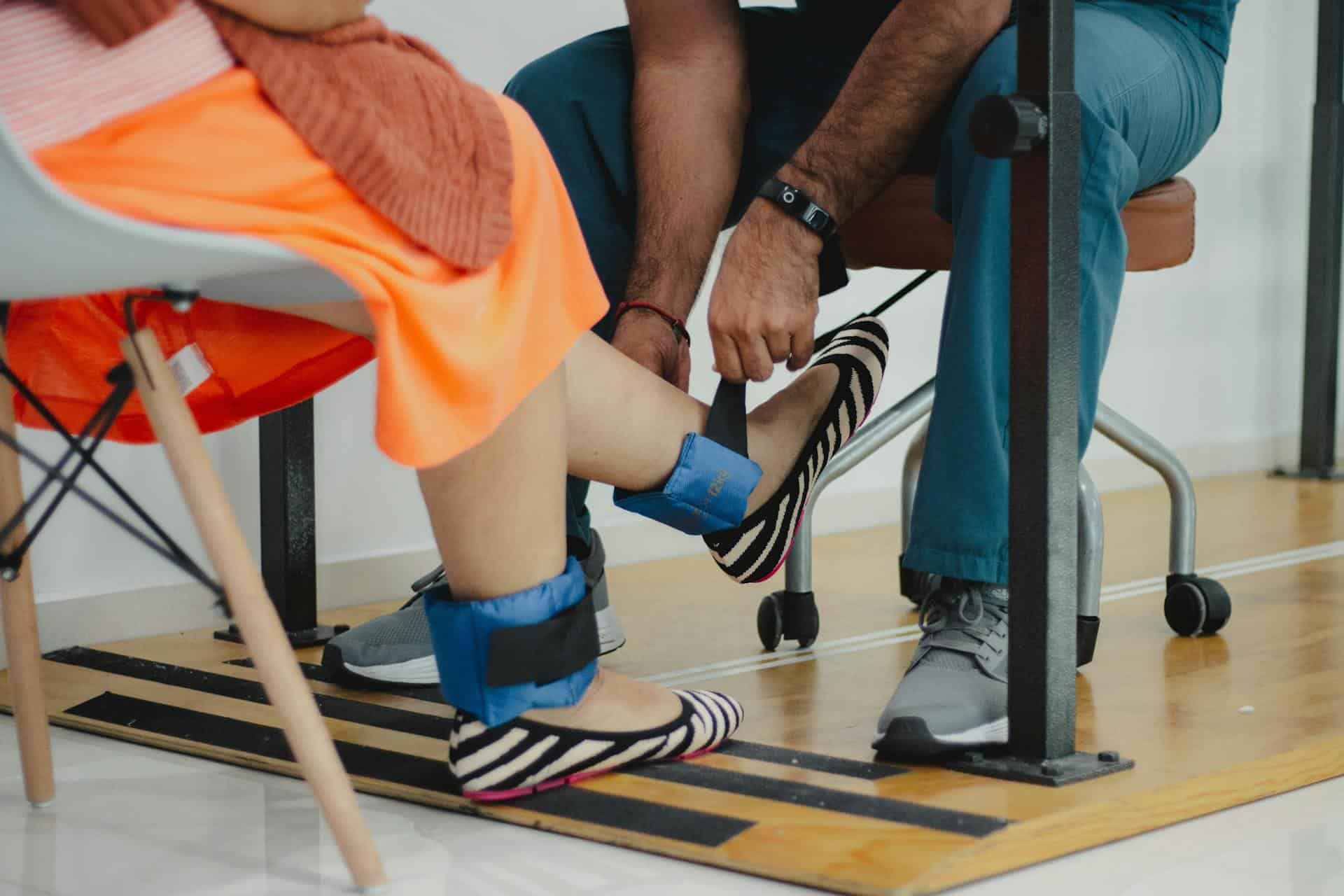
Ankle Pain Treatment in Brick, NJ
Ankle pain, swelling, stiffness, or instability can make walking, stairs, work, errands, and exercise feel uncertain. Trinity Rehab Brick helps patients rebuild ankle mobility, strength, balance, and confidence.
Local Ankle Pain Care in Brick
Trinity Rehab Brick Township is located at 486 Brick Blvd, Brick Township, NJ 08723. Patients commonly visit from Point Pleasant, Lakewood, Toms River, Mantoloking, Wall and nearby communities for ankle pain, ankle sprain recovery, chronic ankle instability, foot and ankle stiffness, balance deficits, and gait-related physical therapy.
Local context matters. In Brick, patients are often trying to manage Ocean County drivers, shore-area walkers, adults balancing errands and family routines. For ankle pain, the day-to-day problem may involve ankle sprain recovery, swelling after activity, balance and proprioception confidence, calf strength for walking and stairs, return to running or sport when appropriate, shore walks, boardwalk outings, wet parking lots, and errands around Ocean County, ankle pain with driving, stairs, walking in stores, returning to golf or shore walking. That means the plan should be more specific than a generic ankle exercise sheet.
For Brick patients, the evaluation should connect ankle symptoms to shore walks, boardwalk outings, wet parking lots, and errands around Ocean County. Patients also come from Point Pleasant, Lakewood, Toms River, so the plan often has to make sense for more than one town routine. That means asking when the ankle swells, where the patient loses confidence, what shoes or brace they use, and which surfaces or distances still feel risky.
If you are searching for ankle pain physical therapy in Brick, NJ, the useful first step is a movement-based evaluation that connects your symptoms to real tasks like parking lots, station stairs, car transfers, long sitting, and walking after a commute; shore paths, sidewalks, grass, trails, curb steps, and uneven ground; golf, pickleball, running, gym work, court sports, and return-to-fitness decisions; home stairs, work stairs, school stairs, and carrying items while using steps.
What May Be Causing The Ankle Problem
Ankle pain may follow a sudden sprain, a sports injury, a fall, a work incident, a long walk, a change in shoes, or months of repeated overload. The symptoms may come from the lateral ankle ligaments, joint stiffness, swelling, tendon irritation, Achilles tendon load, peroneal tendons, posterior tibial tendon, plantar fascia, calf weakness, balance deficits, gait mechanics, or a previous fracture or surgery.
Some patients arrive after a recent ankle sprain. Others have had several sprains and now feel chronic ankle instability. Some can walk but cannot run, cut, jump, use stairs, or trust the ankle on grass or uneven sidewalks. A physical therapy exam helps sort out what can be trained, what should be protected, and when physician follow-up or imaging may be needed.
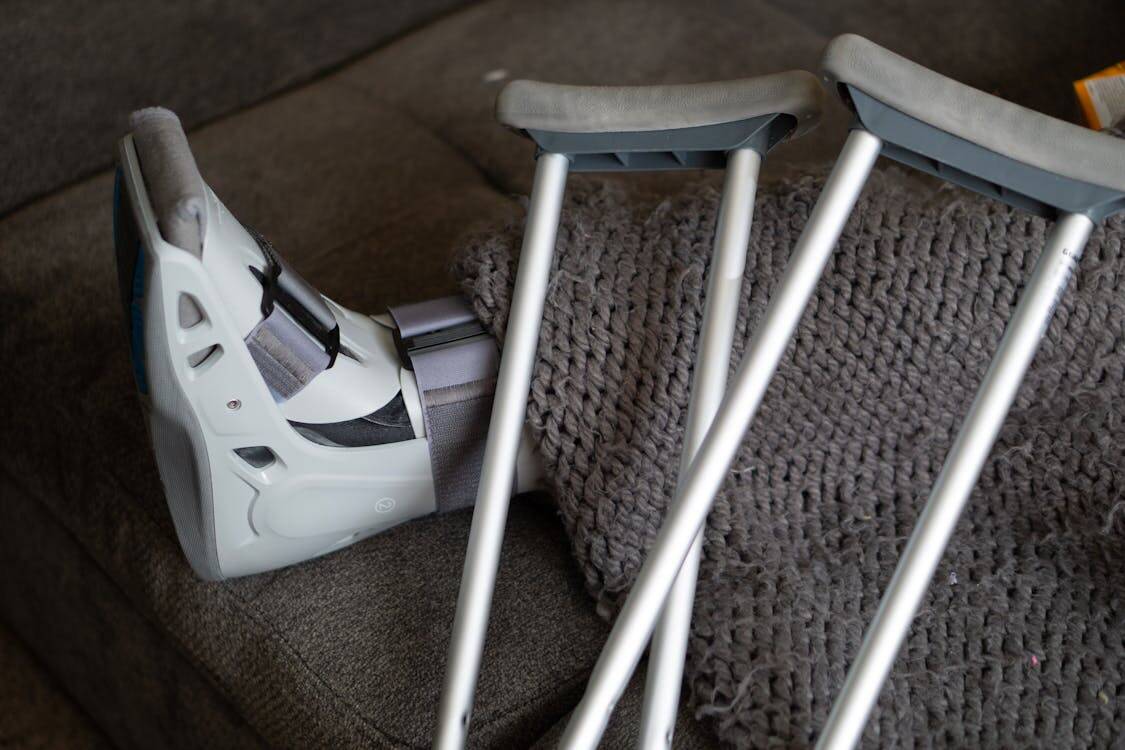

Symptoms Brick Patients Commonly Report
At Trinity Rehab Brick, ankle pain patients often describe symptoms that change through the day. The ankle may feel stiff in the morning, swollen after errands, sore after work, unstable on curbs, weak on stairs, or painful when returning to running, court sports, fitness classes, hiking, golf, pickleball, or family activity.
- pain on the outside or inside of the ankle
- swelling after walking, work, stairs, or exercise
- stiffness with first steps or after sitting
- difficulty pushing off while walking
- feeling that the ankle may roll or give way
- reduced balance and proprioception confidence
- calf weakness, foot fatigue, or altered gait
- limits with shore walks, boardwalk outings, wet parking lots, and errands around Ocean County
Seek urgent medical care for severe pain after trauma with inability to bear weight, visible deformity, numbness, coldness, color change, open wound, signs of infection, rapidly increasing swelling, calf swelling with warmth, shortness of breath, or symptoms that are worsening instead of improving.
How Your First Visit Works
Your first visit at Trinity Rehab Brick is designed to answer practical questions. What movements reproduce the pain? Is swelling limiting motion? Can you bear weight safely? Does the ankle need more dorsiflexion, plantarflexion, calf strength, balance, or gait retraining? Do symptoms fit ankle sprain recovery, chronic ankle instability, Achilles tendon pain, tendon irritation, plantar fascia involvement, post-fracture stiffness, or another pattern?
- review of the injury story, daily limits, medical history, footwear, work demands, and goals
- red flag screening for fracture concern, circulation changes, infection signs, or unsafe weight bearing
- ankle and foot range-of-motion testing
- calf, foot, hip, knee, and lower-leg strength checks
- balance, proprioception, gait, stairs, squatting, or running review when appropriate
- brace, taping, footwear, and home exercise discussion
Many New Jersey patients can start physical therapy through direct access when appropriate. If your symptoms suggest a medical concern, your therapist will help coordinate physician evaluation.
Treatment For Brick Ankle Pain
Treatment should be staged. Early care may focus on swelling, pain control, protected motion, walking mechanics, and safe loading. As the ankle calms, the plan should build calf strength, foot control, hip and knee support, balance, proprioception, and confidence with the exact activities that still feel risky.
Mobility And Manual Therapy
Manual therapy and mobility work can help some patients restore ankle range of motion, especially dorsiflexion needed for stairs, squatting, walking, and running. Mobility is not the whole plan, but it can make strengthening and gait work more effective.
Strength And Load Tolerance
Calf strength, foot intrinsic strength, peroneal and posterior tibial support, hip and knee strength, and therapeutic exercise help the ankle tolerate real-life force. A good program progresses from basic control to repeated calf raises, stairs, step-downs, walking speed, and the demands of work or sport.
Balance And Proprioception
After an ankle sprain, the ankle may need to relearn position sense and reaction control. Balance and proprioception training can progress from simple single-leg control to uneven surfaces, reaching, hopping, cutting, or sport-specific drills when appropriate.
Gait, Stairs, And Return To Activity
The plan should include the activities that matter in Brick: parking lots, station stairs, car transfers, long sitting, and walking after a commute; shore paths, sidewalks, grass, trails, curb steps, and uneven ground; golf, pickleball, running, gym work, court sports, and return-to-fitness decisions; home stairs, work stairs, school stairs, and carrying items while using steps. For some patients that means walking normally without swelling. For others it means return to running, work, golf, pickleball, court sports, hiking, or confident errands.
A useful Brick progression should not stop at pain relief. It should test the ankle against shore walks, boardwalk outings, wet parking lots, and errands around Ocean County, then build toward the patient’s real goal: errands without swelling, stairs without hesitation, sport without another roll, work shifts without limping, or walking after a commute without stiffness taking over.

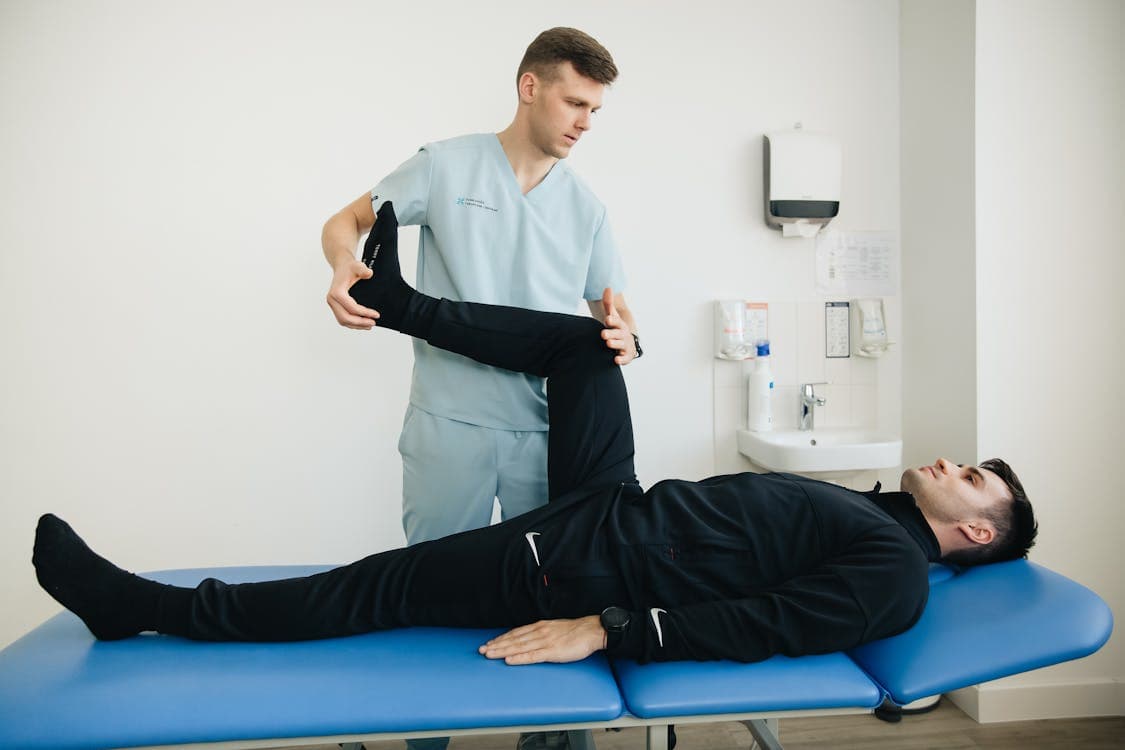
Brick Routines We Plan Around
This is the biggest improvement over the older Ankle Pain tree. Every spoke needs local detail instead of repeating the same page with a different town name. Around Brick, ankle rehab may need to account for shore walks, boardwalk outings, wet parking lots, and errands around Ocean County.
Walking And Errands
Patients from Brick, Point Pleasant, Lakewood, Toms River, and nearby areas may notice ankle pain during grocery trips, parking lots, sidewalks, curbs, or longer community walks. Therapy may include gait retraining, swelling control, calf strength, and pacing strategies so walking tolerance improves without repeated flare-ups.
Stairs, Work, And Home Tasks
Stairs require ankle dorsiflexion, calf control, balance, and confidence. The same is true for carrying laundry, climbing workplace steps, standing for long shifts, kneeling, squatting, or stepping off curbs. Your plan should practice the tasks that keep showing up in daily life.
Sport, Fitness, And Uneven Ground
Return to activity should be earned in stages. Running, pickleball, tennis, soccer, basketball, golf, gym work, trails, beach walking, or uneven grass may require more than pain-free walking. Later rehab should test single-leg strength, hopping, landing, cutting, balance reactions, and confidence under fatigue when those goals apply.
Brick Ankle Rehab Plan Details
A Brick ankle plan should start with the specific version of the problem in front of you. For one patient, that may be recurring soreness after running, pickleball, golf, gym work, or long work shifts. For another, it may be swelling, stiffness, or balance hesitation during shore walks, boardwalk outings, wet parking lots, and errands around Ocean County. The point is to connect the clinic exam to the way your ankle behaves around Brick, Point Pleasant, Lakewood, Toms River, and the routines you actually need to handle.
At Trinity Rehab Brick Township, the first visit should look beyond a generic sprain checklist. Your therapist may compare single-leg balance, calf raise tolerance, stair control, walking speed, and swelling response with your symptoms during parking lots, station stairs, car transfers, long sitting, and walking after a commute; shore paths, sidewalks, grass, trails, curb steps, and uneven ground; golf, pickleball, running, gym work, court sports, and return-to-fitness decisions; home stairs, work stairs, school stairs, and carrying items while using steps. If those tests do not match your goal, the plan is incomplete. A patient trying to return to court sports needs different loading than someone trying to walk through a store without swelling or manage work stairs without limping.
How We Choose The Next Step
The next step should be chosen by response. In Brick, that often means tracking whether stairs feel different going up versus down, then deciding whether the week should emphasize mobility, calf strength, balance, gait retraining, or return-to-sport progression. A useful progression may begin with balance reactions before grass, trails, or court movement, then move toward the actual surface, speed, or work demand that still feels uncertain.
If balance confidence is the limiting factor, the plan should train reaction control instead of only stretching. Your therapist can help decide when to use taping, bracing, footwear changes, manual therapy, strengthening, or balance work, and when symptoms deserve physician follow-up. The safest plan is not the most aggressive plan; it is the plan that keeps moving while respecting irritability and medical warning signs.
Clinic Details For Planning
Trinity Rehab Brick Township is located at 486 Brick Blvd, Brick Township, NJ 08723. For directions, parking context, and the best route to the clinic, use <a href="https://maps.app.goo.gl/qPcViF8Q443hgELf6">Google Maps for Trinity Rehab Brick</a>. You can also call (732) 920-4500 for appointment details. This practical clinic proof matters because local ankle care should be tied to a real location, not a copied town-name page.
Brick Daily-Demand Notes
This Brick page needs to be useful for a real first visit, so the plan names the daily demands that often expose ankle symptoms: shore weekends, wet pavement, sand transitions, and boardwalk distance. Those details change the rehab conversation. A patient who swells after shore weekends may need pacing, compression discussion, and gait review, while a patient worried about sand transitions may need balance reactions, calf endurance, and confidence with quick direction changes.
The therapist should also ask what happens after the appointment, not only what happens on the treatment table. Around Brick and Point Pleasant, Lakewood, Toms River, patients may be trying to manage boat ramps, yard work, retail errands, or uneven pavers. The home plan should match those moments with clear tests: a comfortable walking dose, a stair or curb goal, a calf-strength target, a balance drill, and a sign that the ankle is ready for the next level.
This is where local ankle rehab becomes different from a copied condition page. The words on the page should point to decisions the therapist can make in the clinic: whether to slow the walking progression, add manual mobility work, change the brace strategy, test footwear, build hip and knee support, or practice the surface that still feels unsafe. If symptoms change sharply, the plan should adapt and medical follow-up should stay on the table when warning signs appear.
Local Activity Checklist
For shore weekends, the therapist may watch whether the ankle stiffens after repeated stops and starts, whether swelling appears later in the day, and whether the patient shortens stride to protect the sore side. For wet pavement, the visit may spend more time on balance reactions, foot placement, calf endurance, and how quickly the patient can recover after a small wobble. For sand transitions, the plan may need sharper turning practice, step-down control, and a clearer rule for when to use a brace or supportive shoe. For boardwalk distance, the progression may depend on how the ankle handles longer exposure without a flare the next morning.
A patient limited by boat ramps usually needs different coaching than someone limited by yard work. One may need surface practice, controlled loading, and confidence with uneven foot placement. The other may need pacing, footwear discussion, and a home program that fits a busy week. If retail errands is the main trigger, the therapist may build standing tolerance, calf capacity, and hip support before harder drills. If uneven pavers is the problem, the plan may focus on quick balance checks, safe turning, and a step-by-step return to the setting that still feels unpredictable.
Progress should sound concrete at this clinic. The patient should know whether this week is about walking farther during shore weekends, feeling steadier with wet pavement, returning to sand transitions, or tolerating boardwalk distance without extra swelling. The next visit should compare those real demands with motion, strength, gait, and balance findings. That keeps the page useful for local search while also reflecting how ankle rehabilitation actually works: evaluate the ankle, test the task, adjust the plan, and keep medical safeguards in view.
The clinical note should also capture the small details that change treatment. Shoes that help during boat ramps may not be enough for yard work. A brace that feels safe during retail errands may become a crutch if strength and balance are not rebuilt. Pain that only appears after uneven pavers may need dosage changes rather than complete rest. Those distinctions give the local spoke more than a town label; they give the therapist and patient a practical map for the next phase of recovery.
What Progress Should Look Like
A good ankle pain plan at Trinity Rehab Brick should show up in real life. Progress may mean less swelling after errands, more comfortable stairs, better push-off while walking, stronger calf raises, improved single-leg balance, more confidence on uneven ground, and a clear path back to work, sport, or fitness.
Progress also means knowing what to do on a bad day. Ankle pain can flare when activity jumps too quickly or the ankle is not ready for a surface or sport demand. Your therapist can help you adjust the plan without abandoning movement altogether.
Your home program should be specific enough that you understand why each exercise is there. Early exercises may focus on motion, swelling control, and gentle activation. Later exercises may use calf raises, resisted ankle work, balance reaches, step-downs, walking progressions, hopping, landing, or sport drills. Brace, taping, and footwear choices should support that progression rather than replace it.
Footwear and brace advice in Brick should match Ocean County drivers, shore-area walkers, adults balancing errands and family routines. Some patients need short-term support while swelling and confidence improve; others need help transitioning away from a brace so calf strength, foot control, balance, and gait can carry more of the work.
For local SEO, this detail matters because patients are not searching for an abstract article. They are looking for physical therapy near Brick, NJ that can help with the specific ways ankle sprain recovery, instability, swelling, walking limits, stairs, and return-to-activity goals affect their day.
Local Clinic Proof
Trinity Rehab Brick Township
486 Brick Blvd, Brick Township, NJ 08723
Phone: (732) 920-4500
Clinic page: https://trinity-rehab.com/physical-therapy-clinic/brick-nj/
Map and directions: https://maps.app.goo.gl/qPcViF8Q443hgELf6
Nearby communities commonly include Point Pleasant, Lakewood, Toms River, Mantoloking, Wall. This local proof helps the spoke compete for condition-plus-location searches without pretending to be a generic national ankle article.
Patient Reviews For Brick
Local review proof matters. Patients searching for ankle pain treatment in Brick, NJ need to know there is a real Trinity Rehab clinic, local staff, and patient experience behind the page.
Related Care At This Location
Ankle pain often overlaps with foot pain, plantar fascia symptoms, knee pain, hip mechanics, gait, balance, and sports injury rehab. These same-location links help patients and search engines understand the relationship between the local pages.
Frequently Asked Questions
Do you treat ankle pain at Trinity Rehab Brick?
Yes. Trinity Rehab Brick treats ankle pain, ankle sprain recovery, chronic ankle instability, foot and ankle stiffness, balance deficits, gait issues, and return-to-activity needs when physical therapy is appropriate.
Can you help if my ankle still feels unstable after a sprain?
Often, yes. Rehab should address swelling, range of motion, calf and foot strength, balance, proprioception, walking mechanics, stairs, uneven ground, and the sport or work tasks that make the ankle feel unreliable.
What should I bring to my first visit?
Bring your insurance information, any referral or imaging report you have, supportive shoes, a brace if you use one, and notes about the activities that trigger symptoms. If your pain began with major trauma or you cannot bear weight, get medical evaluation first.
Will I need a brace or tape?
Some patients benefit from taping, bracing, or footwear changes while strength and balance are rebuilt. These supports should not replace rehab, but they can help control symptoms and reduce risk during the right phase of recovery.
Do patients from nearby communities come to Brick?
Yes. Patients often come from Point Pleasant, Lakewood, Toms River, Mantoloking, Wall and surrounding communities for foot and ankle physical therapy.
What makes ankle therapy at Trinity Rehab Brick local?
The care plan is built around your evaluation and the real Brick, NJ routines that trigger symptoms, including shore walks, boardwalk outings, wet parking lots, and errands around Ocean County.
Start Ankle Pain Physical Therapy In Brick
If ankle pain, ankle sprain recovery, swelling, stiffness, chronic ankle instability, walking limits, or return-to-sport concerns are affecting your daily life in Brick, NJ, start with an evaluation. The goal is to understand what is driving symptoms and rebuild the ankle for the activity you actually need.