
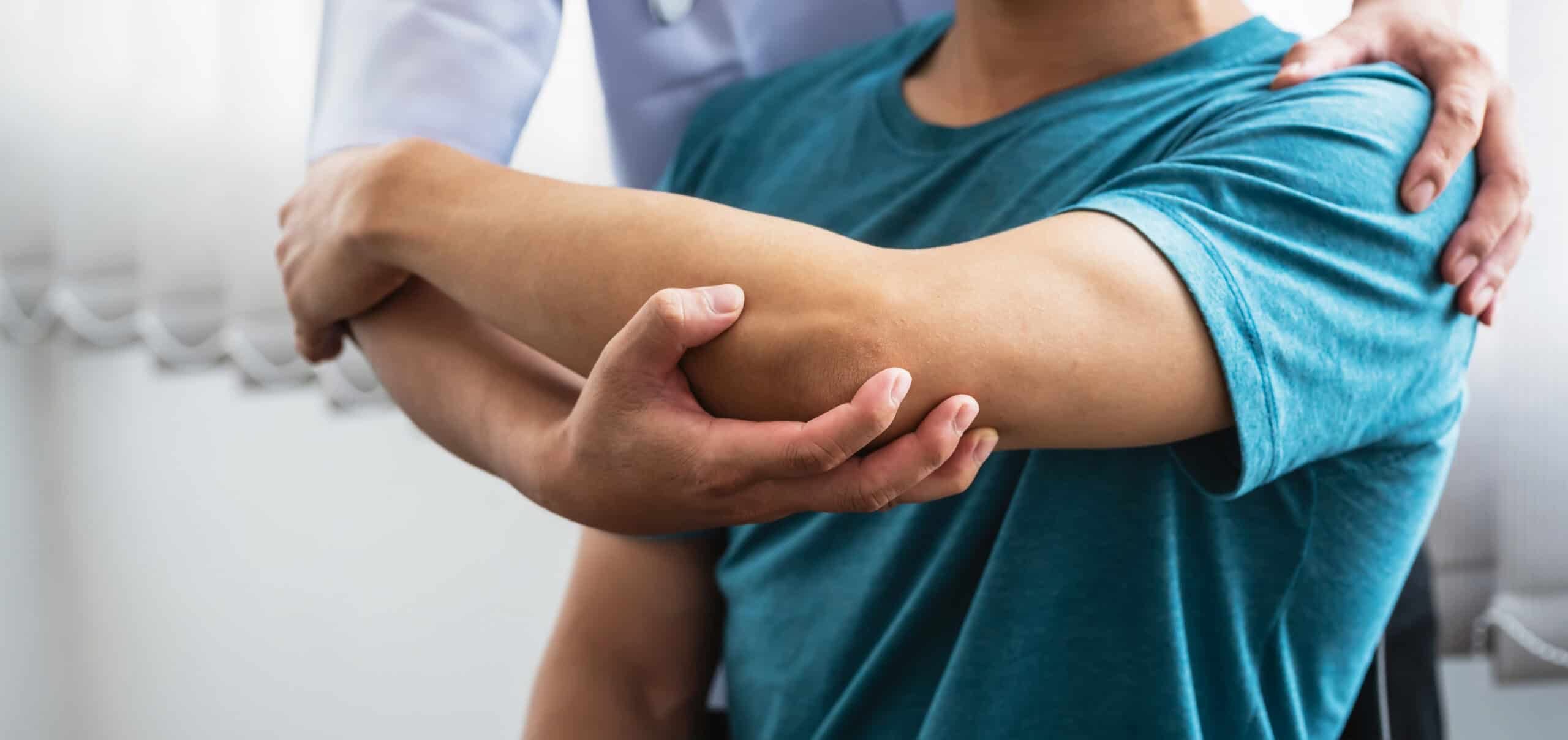
Golfer’s Elbow Treatment in Piscataway, NJ | Trinity Rehab
Piscataway: When Golfer’s Elbow Impacts Your Active Lifestyle
Piscataway, home to Rutgers University’s sprawling campus and a diverse population of 60,000 residents, represents one of New Jersey’s most multicultural and academically-oriented communities. The township’s Johnson Park offers recreational opportunities alongside the Raritan River, while the Rutgers athletic programs—including the Scarlet Knights football team—provide a strong athletic tradition. Piscataway High School Chiefs compete in regional sports, and the community’s diversity brings together professionals, academics, students, and families from around the world. This dynamic community values both intellectual achievement and physical wellness.
Yet academic rigor, professional demands, and recreational pursuits all contribute to golfer’s elbow among Piscataway residents. The Rutgers professor spending hours at a computer develops elbow pain from typing. The healthcare professional at a nearby hospital experiences repetitive stress from patient care. The recreational golfer at Raritan Landing Golf Club notices grip weakness affecting their game. The student athlete develops golfer’s elbow from sports participation. In a community as diverse and accomplished as Piscataway, golfer’s elbow affects everyone indiscriminately.
Trinity Rehab’s Piscataway clinic understands our diverse, academic, professionally-accomplished community, offering evidence-based physical therapy that combines scientific rigor with practical solutions for people with demanding lives.
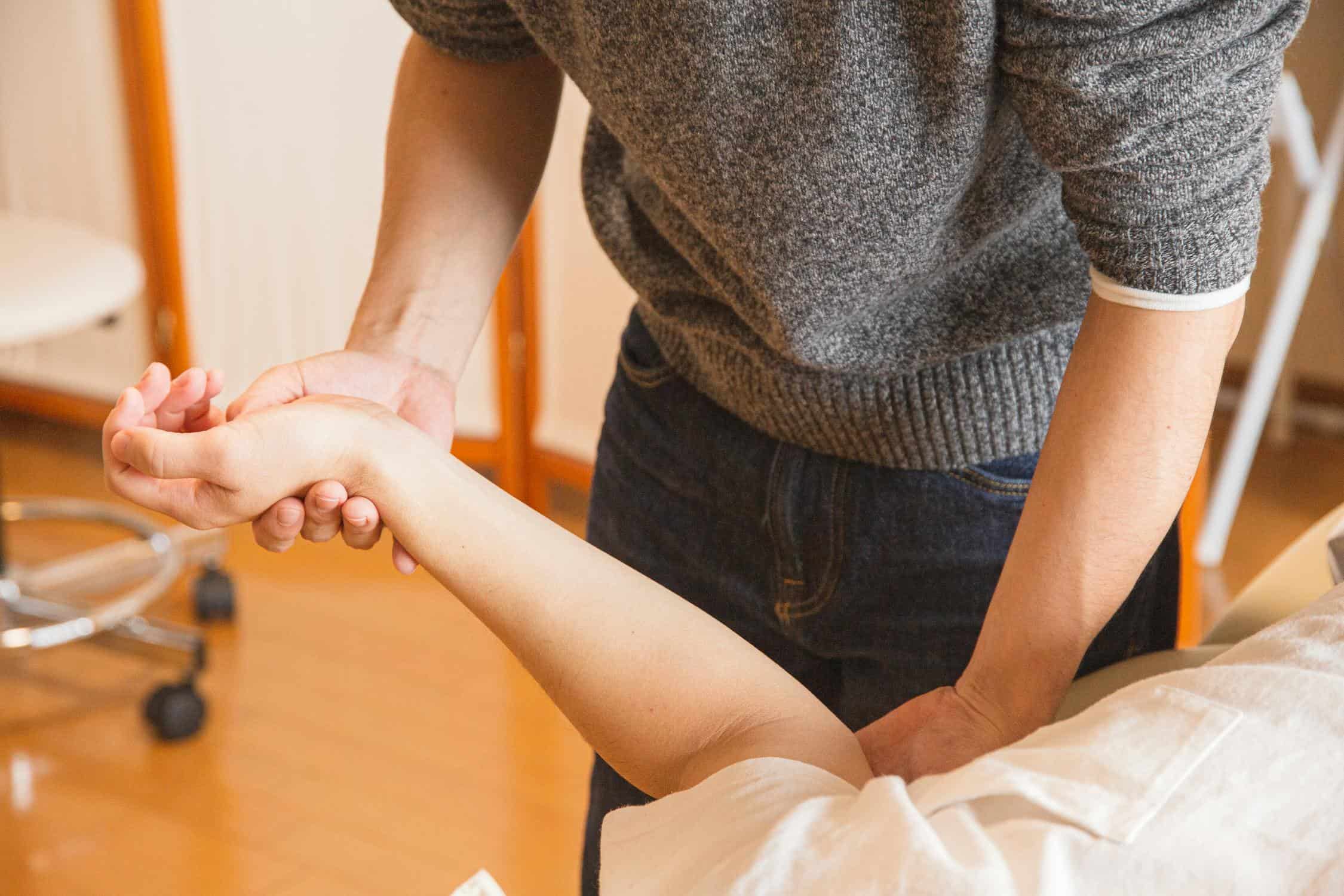
Why Golfer’s Elbow Treatment Matters
Piscataway’s community of academics, healthcare professionals, international professionals, students, and families all depend on functional elbow health. The research scientist can’t conduct precision work with elbow pain. The nurse can’t effectively care for patients with grip weakness. The student athlete can’t compete with functional limitations. The recreational golfer can’t enjoy their game. Golfer’s elbow represents a barrier to the professional and recreational pursuits that define our community.
What makes professional physical therapy critical is that Piscataway’s demanding population can’t afford prolonged recovery. Academic professionals need to return to research and teaching. Healthcare workers need to maintain their caring capacity. Students need to compete athletically. Golf enthusiasts need to play. Early, aggressive treatment using evidence-based protocols accelerates recovery dramatically—research shows patients treated early recover 2-3 times faster than those who delay seeking care.
Piscataway’s academic culture makes physical therapy the logical choice. We base our treatment on current research, we measure progress objectively, and we adjust our approach based on scientific evidence, not guesswork.
Common Causes of Golfer’s Elbow in Piscataway
Piscataway’s diverse, accomplished community experiences golfer’s elbow through multiple causes:
- Academic and research work: Rutgers professors, researchers, and academics performing detailed work at computers or in laboratories
- Healthcare professions: Nurses, physical therapists, doctors, and other healthcare professionals at local hospitals and facilities
- Recreational golf: Golfers at Raritan Landing Golf Club and other courses in the area
- Student athletics: Rutgers student athletes and high school athletes competing in various sports
- Business and professional work: Business professionals, consultants, and professionals in various fields
- International professional work: International professionals working in technical, healthcare, and professional fields
- Fitness and sports activities: Student recreation center participants, fitness enthusiasts, and recreational athletes
- Home maintenance and DIY projects: Homeowners maintaining properties and managing home projects
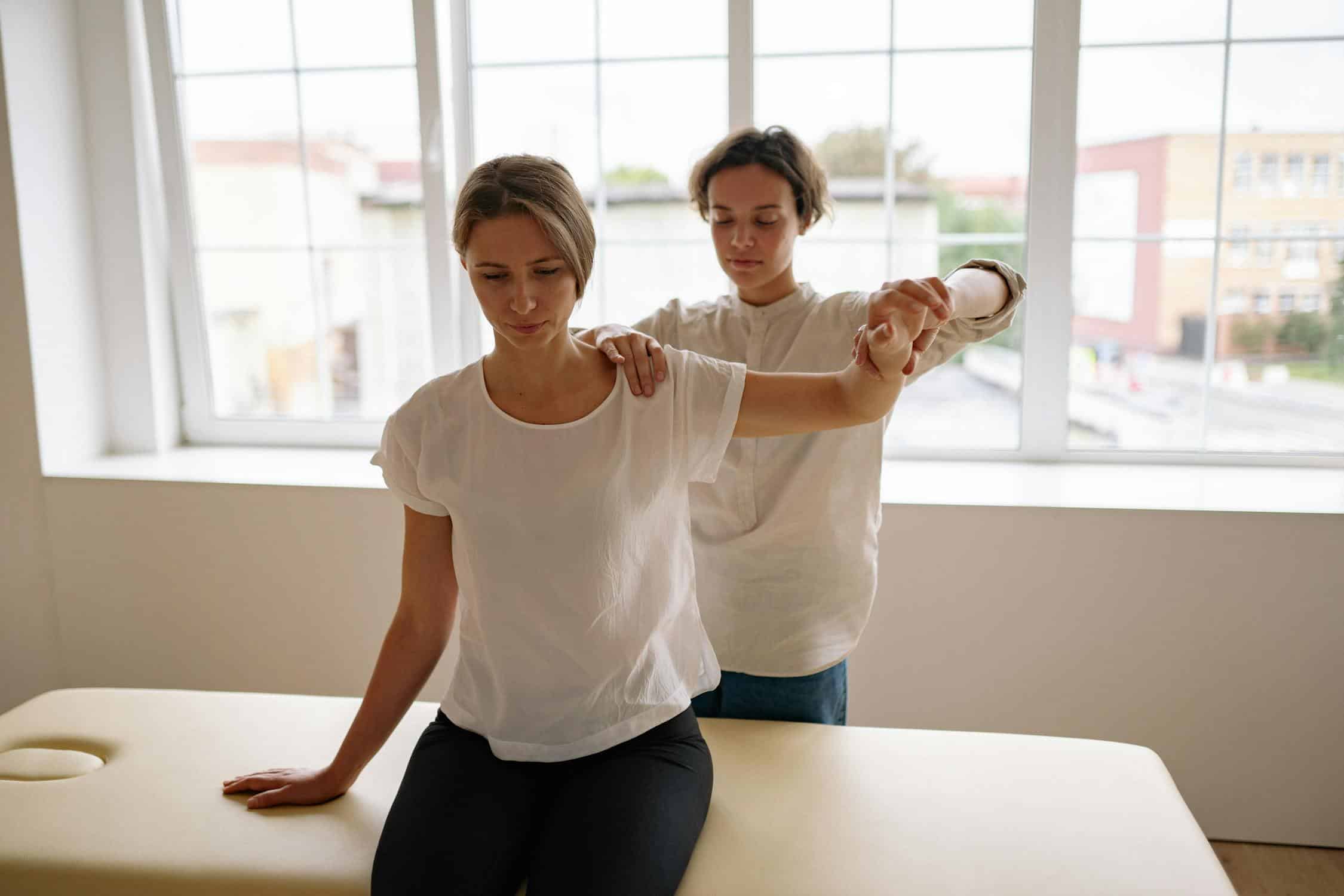
Symptoms Patients Often Notice
Piscataway residents typically describe golfer’s elbow with specific, recognizable symptoms:
- Inner elbow pain and point tenderness on the medial epicondyle
- Pain radiating down the inside of the forearm toward the wrist
- Weakness in grip strength, particularly noticeable when gripping, lifting, or engaging in repetitive activities
- Pain with specific activities—typing, clinical work, golf swings, or sports activities
- Morning stiffness that gradually improves with movement
- Pain or discomfort that limits your ability to perform important academic, professional, or recreational activities
- Occasional numbness or tingling in the ring and pinky fingers
Many Piscataway professionals and students first notice symptoms during their primary activities—a researcher noticing pain during detailed lab work, a student athlete noticing weakness during competition, a healthcare worker noticing limitations during patient care, a golfer experiencing pain during their swing. Early recognition and professional treatment prevent these minor symptoms from becoming major limitations.
How Physical Therapy Restores Function at Trinity Rehab Piscataway
Trinity Rehab Piscataway’s evidence-based, scientifically-grounded approach to treating golfer’s elbow follows a three-phase protocol that safely and efficiently restores your function.
Phase 1: Pain Reduction and Tissue Healing
During the initial 1-2 weeks, our focus is on addressing acute inflammation and establishing pain-free movement:
- Manual therapy: Skilled soft tissue mobilization reduces muscle guarding and improves vascular supply to healing tendons
- Dry needling: Precise intramuscular needling of trigger points in forearm musculature reduces pain and spasm
- Therapeutic modalities: Strategic application of therapeutic ultrasound, electrical stimulation, or cryotherapy based on tissue healing stage
- Biomechanical analysis: Assessment of your typing posture, lab technique, golf swing, or sport-specific movement patterns
- Activity modification: Specific guidance on which activities to avoid or modify to prevent further tendon irritation
- Gentle mobility exercises: Passive and active-assisted range-of-motion work maintaining function without overloading healing tissue
Phase 2: Progressive Strengthening
Weeks 2-6 involve systematic strengthening of the flexor-pronator complex and supporting musculature:
- Eccentric loading exercises: Evidence-based eccentric exercises that specifically load the injured tendon in healing-promoting ways
- Grip strengthening progression: Progressive advancement from light resistance to functional levels
- Wrist flexor exercises: Targeted strengthening of muscles specifically injured in golfer’s elbow
- Rotational forearm exercises: Pronation and supination work restoring complete rotational strength
- Core and shoulder stability: Addressing upstream biomechanical factors that may have contributed to the injury
- Activity-specific conditioning: Exercises tailored to your specific professional, academic, or recreational demands
Phase 3: Return to Full Activity
Weeks 6-12 focus on returning you to full function in all areas of your life:
- EPAT shockwave therapy: For cases progressing slower than expected, shockwave therapy accelerates tendon healing and remodeling
- Work and activity-specific training: For academics, healthcare professionals, athletes, and golfers, specific training that mimics your actual demands
- Power development: Progressive advancement to higher-intensity, higher-speed activities
- Proprioceptive refinement: Enhanced movement quality and control during complex, skilled activities
- Long-term prevention programming: Home exercises that maintain gains and prevent recurrence indefinitely
Preventing Golfer’s Elbow from Returning
Piscataway residents maintain their recovery and prevent recurrence through systematic prevention:
- Proper warm-up protocols: Always warm up before recreational activities, athletic competition, or strenuous work
- Ergonomic excellence: Maintain optimized work and study environments with proper desk setup, monitor positioning, and equipment
- Regular strengthening: Continue home exercises indefinitely as maintenance work—just 10-15 minutes per week
- Activity variation: Balance your activities rather than repetitively engaging in the same motion for extended periods
- Adequate recovery: Ensure sufficient sleep, rest days between intense activities, and proper recovery protocols
- Professional technique: Work with instructors, coaches, or ergonomic specialists to refine your technique and prevent re-injury
- Listening to your body: Immediately modify activities if you notice early warning signs of recurrence
- Periodic assessment: Check-ins if you notice any symptoms suggesting early recurrence
Why Piscataway Patients Choose Trinity Rehab
Trinity Rehab Piscataway understands our academic, professionally-accomplished, diverse community. We’re staffed by physical therapists with advanced training, current certifications, and commitment to evidence-based care. We read the research, we understand the science, and we apply it thoughtfully to create superior outcomes.
We respect the intelligence and sophistication of our Piscataway patients. We don’t use jargon without explanation, we don’t perform unnecessary treatments, and we base every recommendation on current evidence. Our approach is scientific, our results are measurable, and our commitment is to your complete recovery.
We offer EPAT shockwave therapy for patients who want to accelerate their recovery, and our scheduling accommodates busy academics, healthcare professionals, and students. Most importantly, Trinity Rehab Piscataway shares your values of evidence-based decision-making and intellectual rigor.
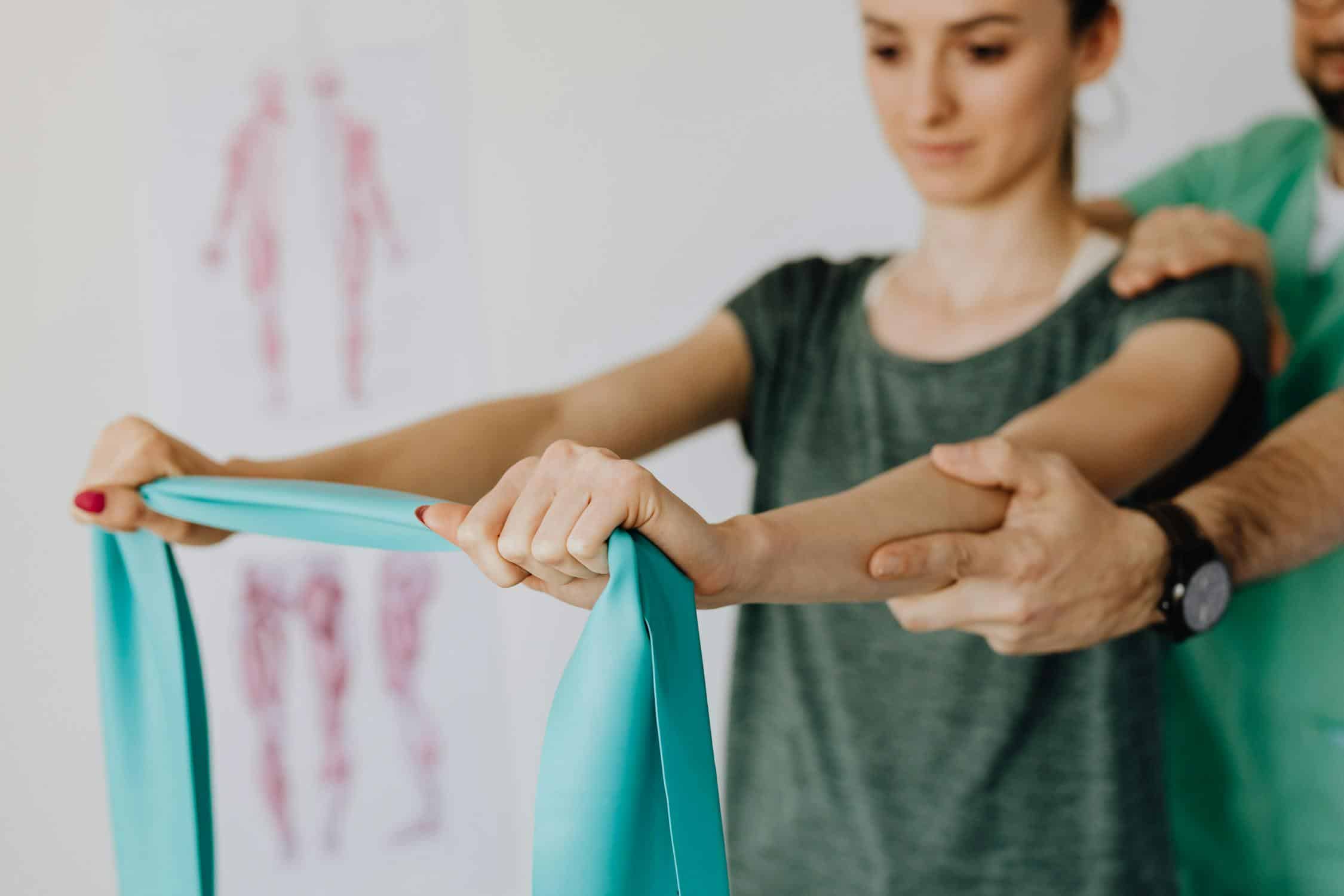
Related Conditions & Treatments
Golfer’s elbow often accompanies or overlaps with other conditions. Trinity Rehab treats a wide range of musculoskeletal conditions:
Related Elbow Care At This Location
Elbow pain patterns can overlap depending on grip, lifting, racquet sports, work tasks, and tendon load. A related same-location page is:
Frequently Asked Questions
I'm a Rutgers student athlete. How will treatment affect my training schedule?
My golfer's elbow came from typing and computer work. Can physical therapy really help?
I'm an international professional just starting work in Piscataway. Do I need imaging to start treatment?
How will physical therapy help if my golfer's elbow is from office work, not sports?
Can EPAT help my golfer's elbow, or is it only for athletes?
Your Next Steps
If golfer’s elbow is limiting your academic work, professional capacity, athletic performance, or recreational pursuits, don’t delay seeking professional treatment. Trinity Rehab Piscataway is equipped with the expertise and advanced treatment options to get you back to full function quickly.
Schedule your comprehensive evaluation at Trinity Rehab Piscataway today. Visit /physical-therapy-appointment/ to book your appointment with one of our experienced physical therapists. We’ll perform a detailed assessment, explain the biomechanical factors affecting your condition, and create your personalized recovery plan.
Your professional success, academic achievement, athletic performance, and recreational pursuits are too important to be limited by golfer’s elbow. Let Trinity Rehab help you heal properly and return to everything that matters in your life.
Visit Trinity Rehab in Piscataway
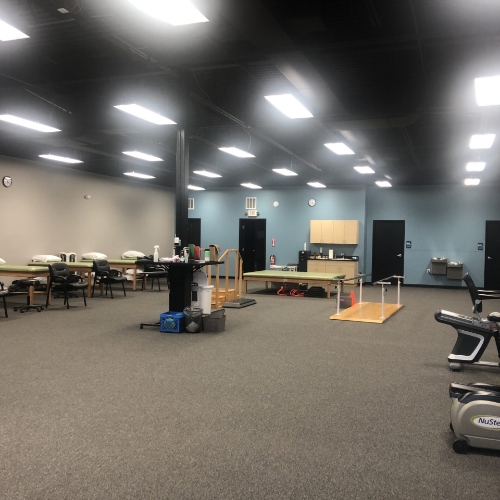
Our Piscataway clinic is conveniently located at 1354 Centennial Ave Unit A3-B, Piscataway, NJ 08854. Call us at (732) 878-4878 to schedule your golfer’s elbow evaluation today.